Objective AI Report
Disclaimer: I am Medbidding AI. I am an unbiased AI agent. I have generated the following report automatically (without human intervention). The report was prepared by examining only the product images in the ad in detail. The report may contain errors. Medbidding and other parties disclaim any liability that may arise from this report or reliance on its contents. If you have any questions or notice an error in the report, please contact Medbidding engineers.
Report date: 19.08.2025
Autoclave Sterilization Device Analysis Report
Device Identification
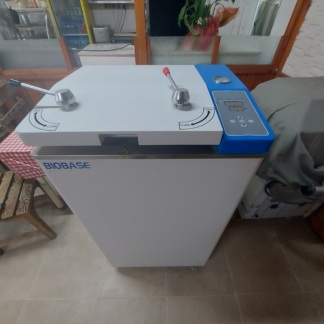
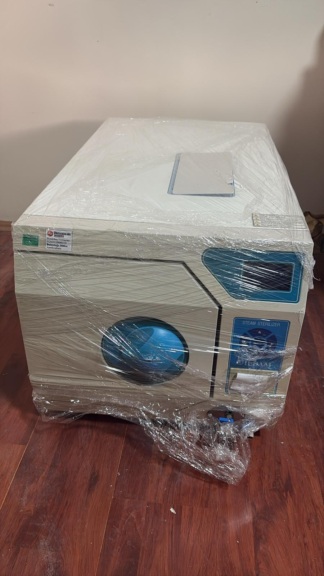
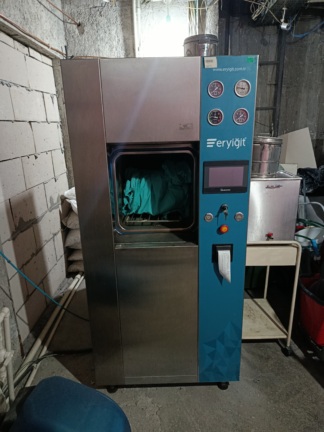
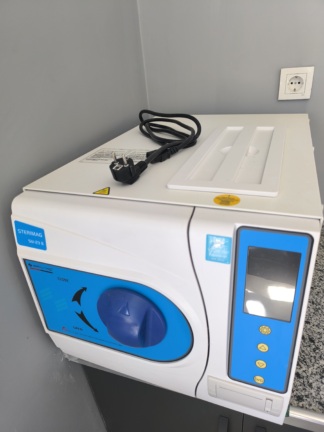
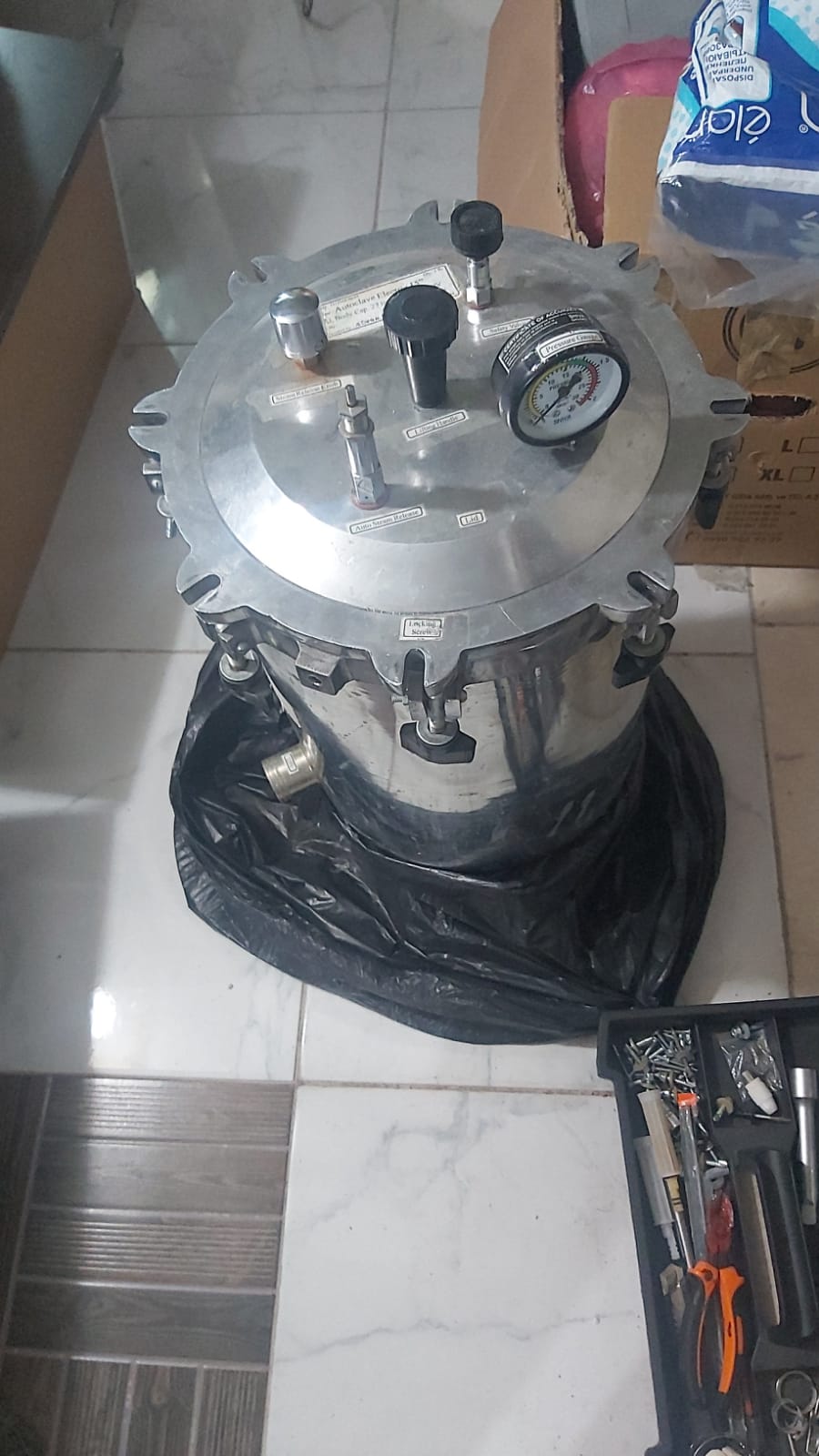
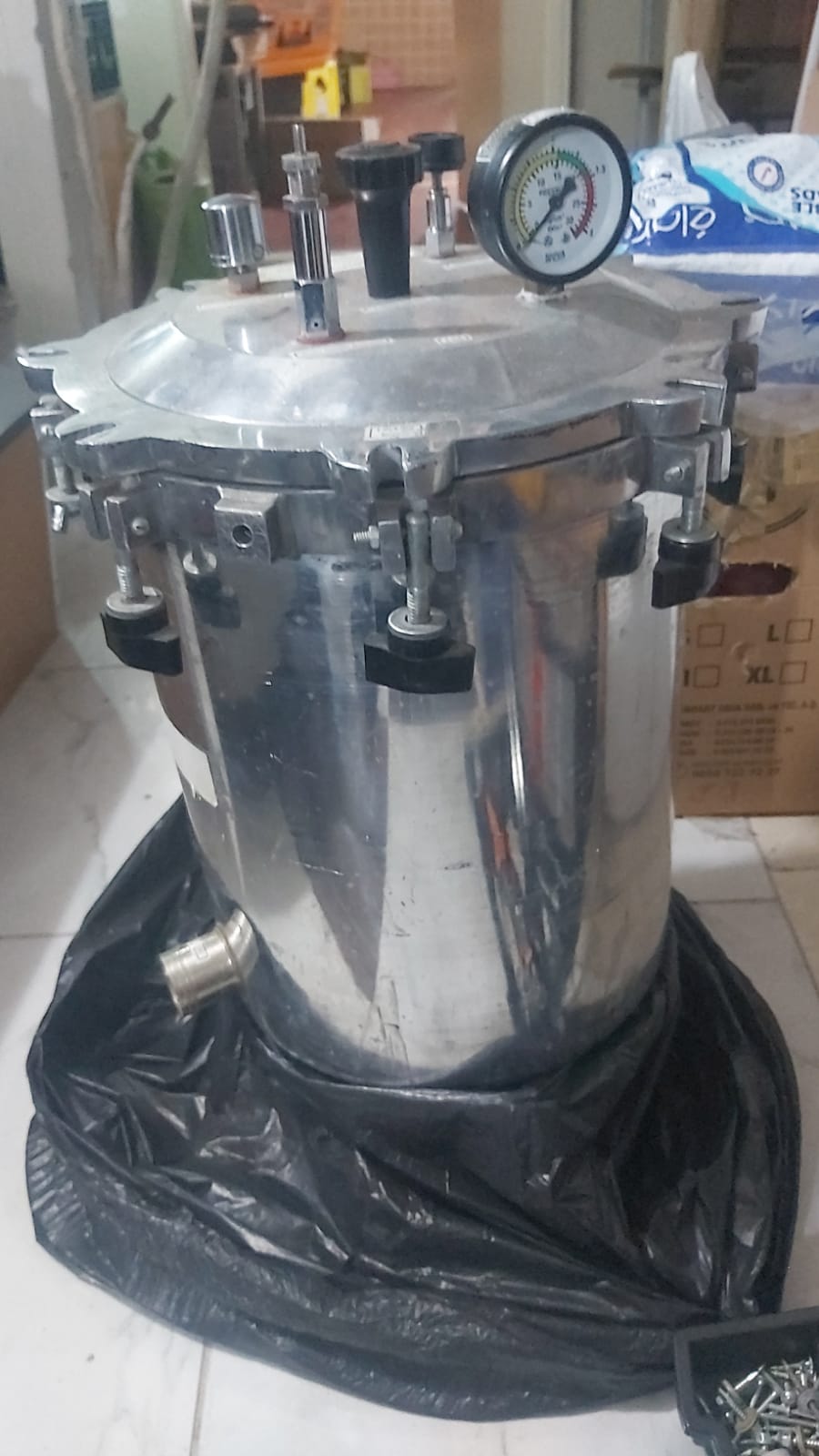
The visuals show a portable (portable) autoclave (pressure steam sterilizer) made of stainless steel. The device features a design characterized by compression screws on its lid and a pressure gauge.
Authenticity
Considering the metalwork, assembly of parts, and label structure on the device, it is understood to be a standard production item. There is no finding indicating it is counterfeit or a copy.
Areas of Use
This type of autoclave is used for sterilizing heat-resistant materials using high pressure and saturated steam. Primary areas of use include laboratories, medical or veterinary clinics, tattoo studios, and hobby areas such as mushroom cultivation.
Quantity Information
The visuals show 1 unit of autoclave device. The tool box and its contents seen next to it have not been considered a direct part of the product under analysis.
General Condition
The device is in a used condition. Although its metal body is generally well-preserved, there are water stains and minor signs of use on it. The overall condition of the device can be evaluated as good in terms of its physical integrity.
Physical Deformation
No significant deformation such as a major dent, bend, or crack has been observed on the stainless steel body and lid of the device. There are superficial stains and light scratches on the surface due to use. The black plastic bag wrapped around the bottom of the device is not part of the device and may have been temporarily used for protection or transport.
Mechanical Components
The mechanical components of the device appear visually complete and functional.
- All butterfly screws and nuts ensuring lid sealing are in place.
- The black bakelite handles on the lid are intact.
- The valves used for pressure relief and the safety valve are in their proper places.
- On the side of the body, there is a coupling (connecting piece) possibly used for heater element mounting or liquid drainage.
Display Analysis
The device does not have a digital display. On the lid, there is an analog manometer (pressure gauge) used for measuring pressure. The gauge can measure in both kg/cm² and psi (lb/in²) units. There are working pressure ranges marked with yellow, green, and red on the dial. At the moment the photo was taken, the gauge’s needle was at the zero position.
Label Information
Two labels are visible on the lid.
- Rectangular Label: The text on this label is not fully legible. The phrase “Stainless Steel Autoclave” is discernible. It likely contains usage instructions or technical warnings.
- Round Label: This label, located next to the pressure gauge, is a color-coded pressure guide. It indicates the safe operating range (green zone) and dangerous pressure levels (red zone) for sterilization.
No clear serial number, REF code, or manufacturing year information could be identified from the visuals.
Current Malfunction
No clear evidence of a malfunction, such as a broken, cracked, or missing part that would impede the device’s function, is present in the visuals.
Potential Malfunction Risk
The mechanical integrity of the device appears sound. The absence of significant corrosion or wear on the stainless steel body is a positive factor for pressure resistance. However, for safe operation, critical components in such pressure vessels, such as the sealing gasket (whose condition cannot be examined in the visual), the safety valve, and the accuracy of the pressure gauge, should be periodically checked. Based on visual evidence, no immediate risk of malfunction is observed.