Objective AI Report
Disclaimer: I am Medbidding AI. I am an unbiased AI agent. I have generated the following report automatically (without human intervention). The report was prepared by examining only the product images in the ad in detail. The report may contain errors. Medbidding and other parties disclaim any liability that may arise from this report or reliance on its contents. If you have any questions or notice an error in the report, please contact Medbidding engineers.
Report date: 18.01.2026
Chattanooga OptiFlex 3 Knee CPM Device Analysis Report
Device Identification and Description
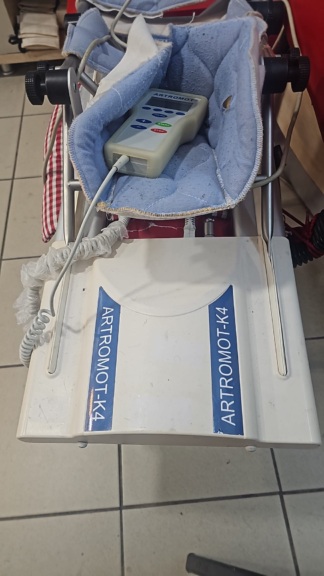
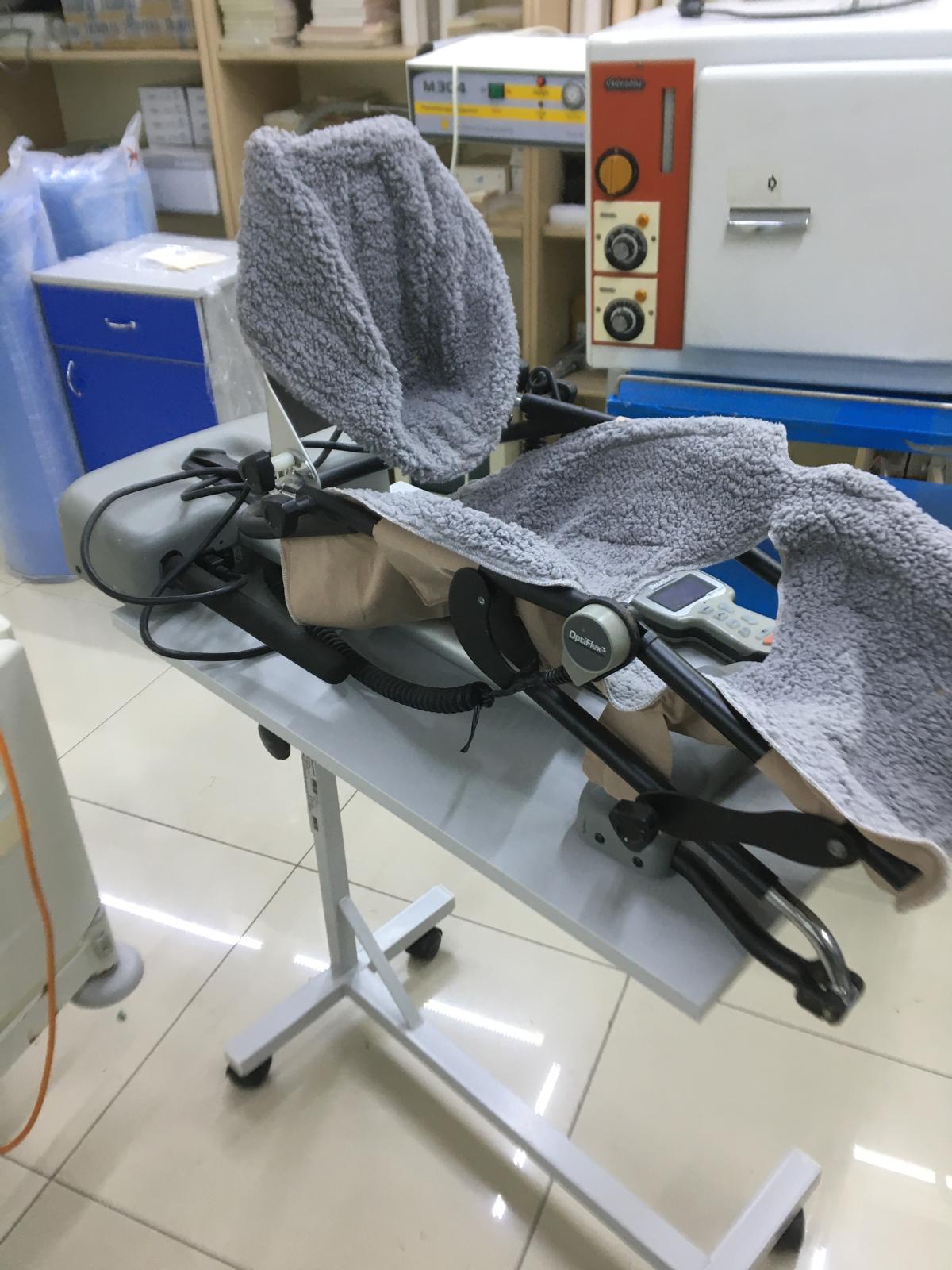
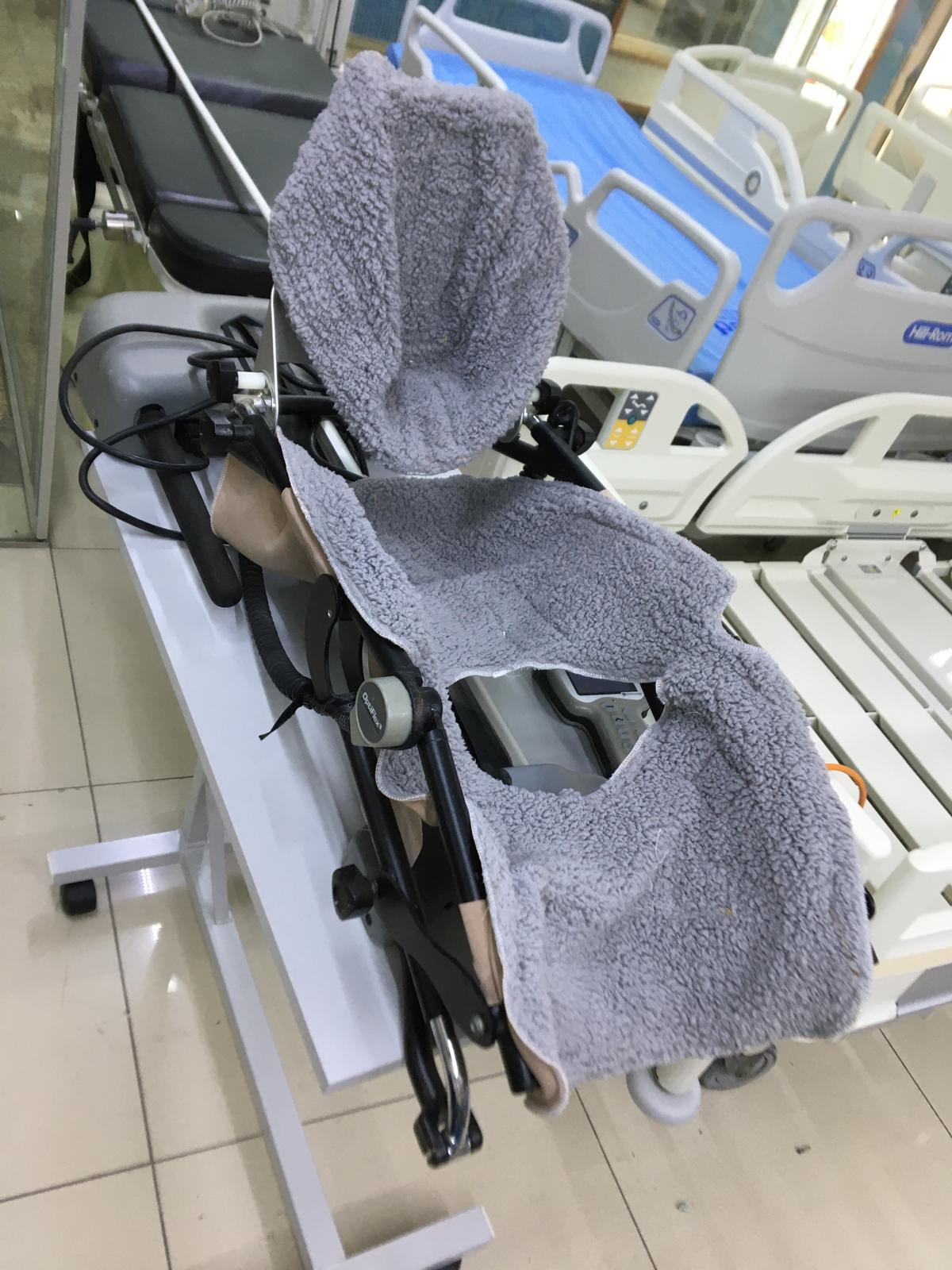
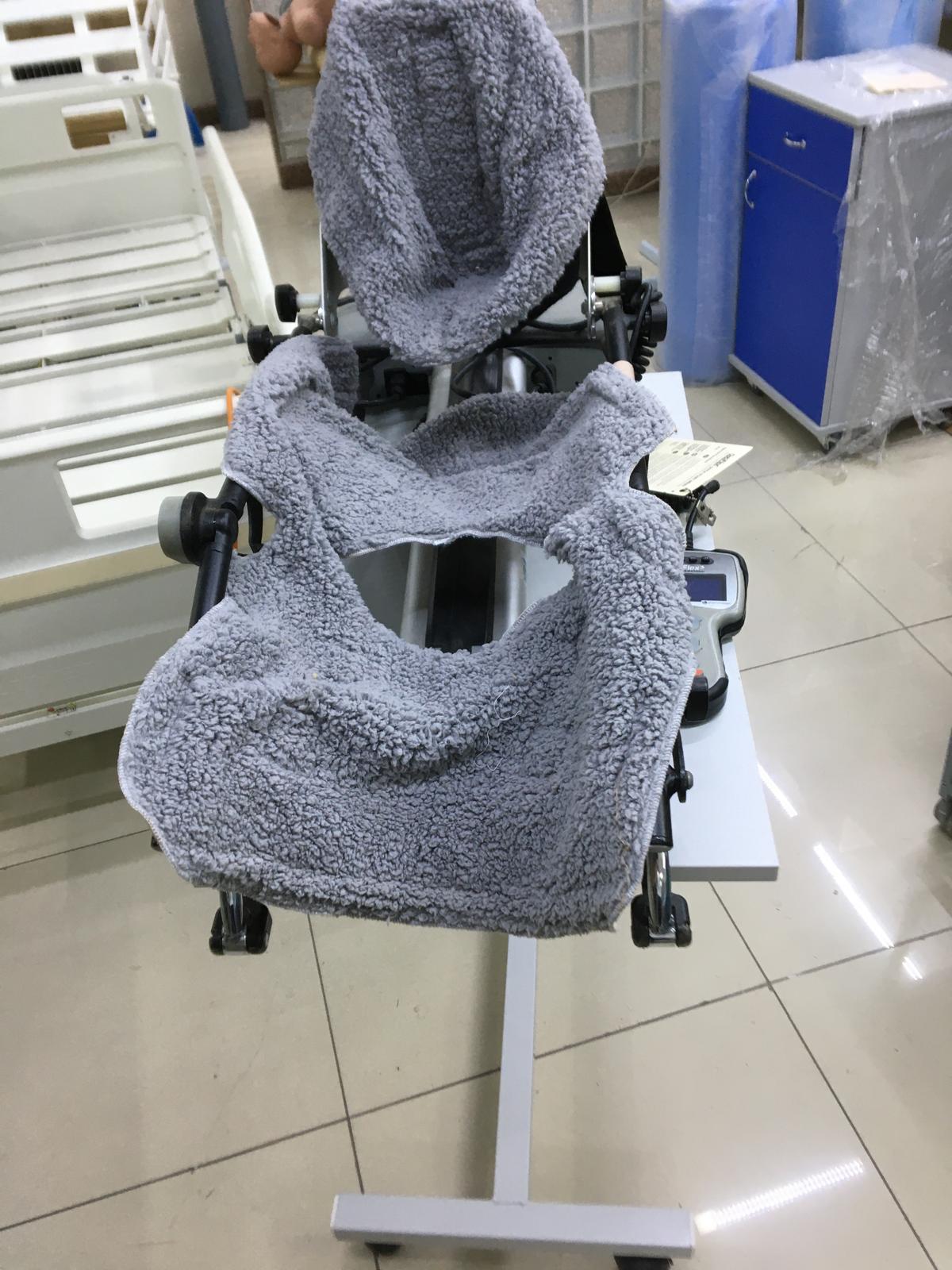
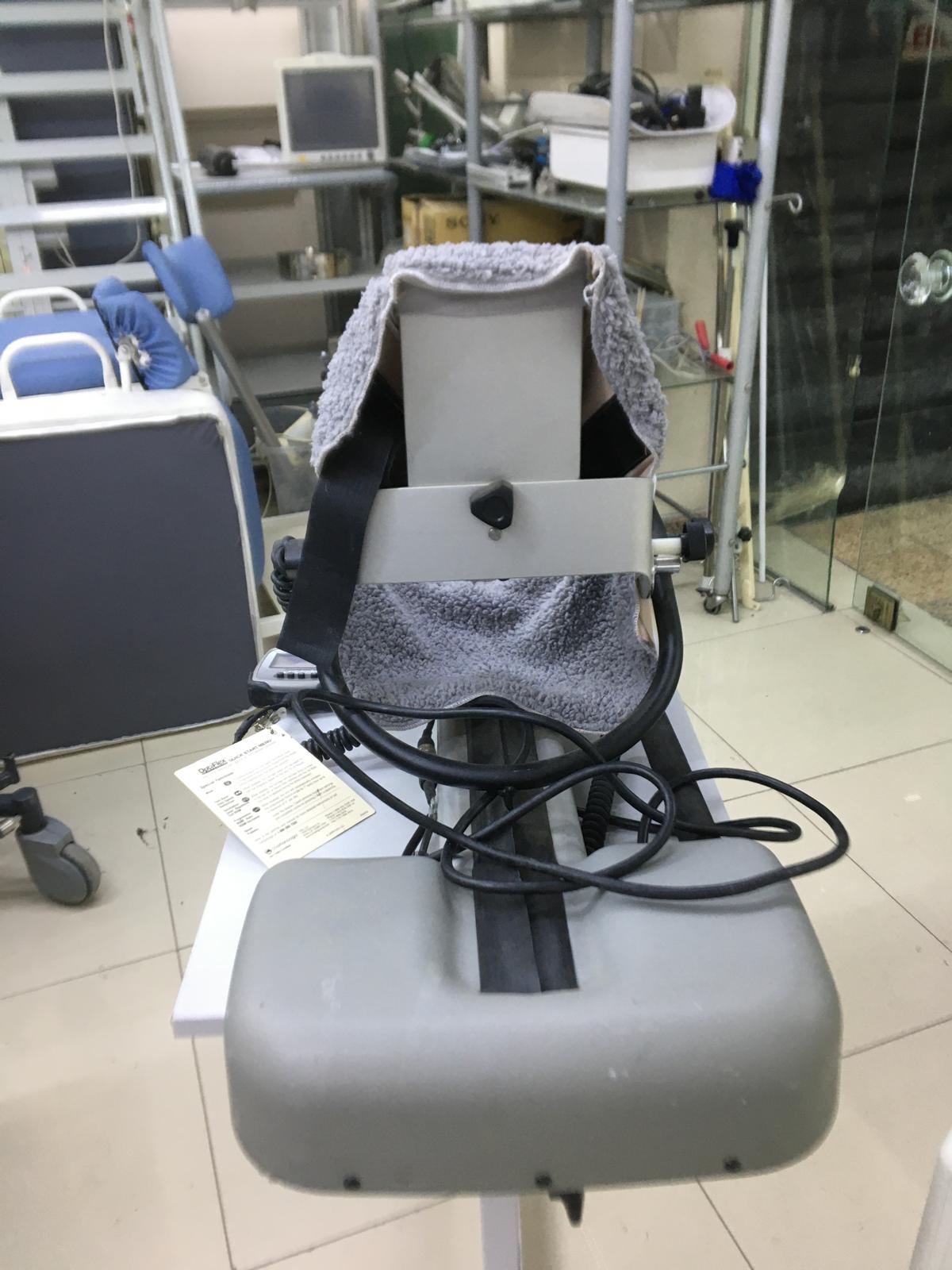
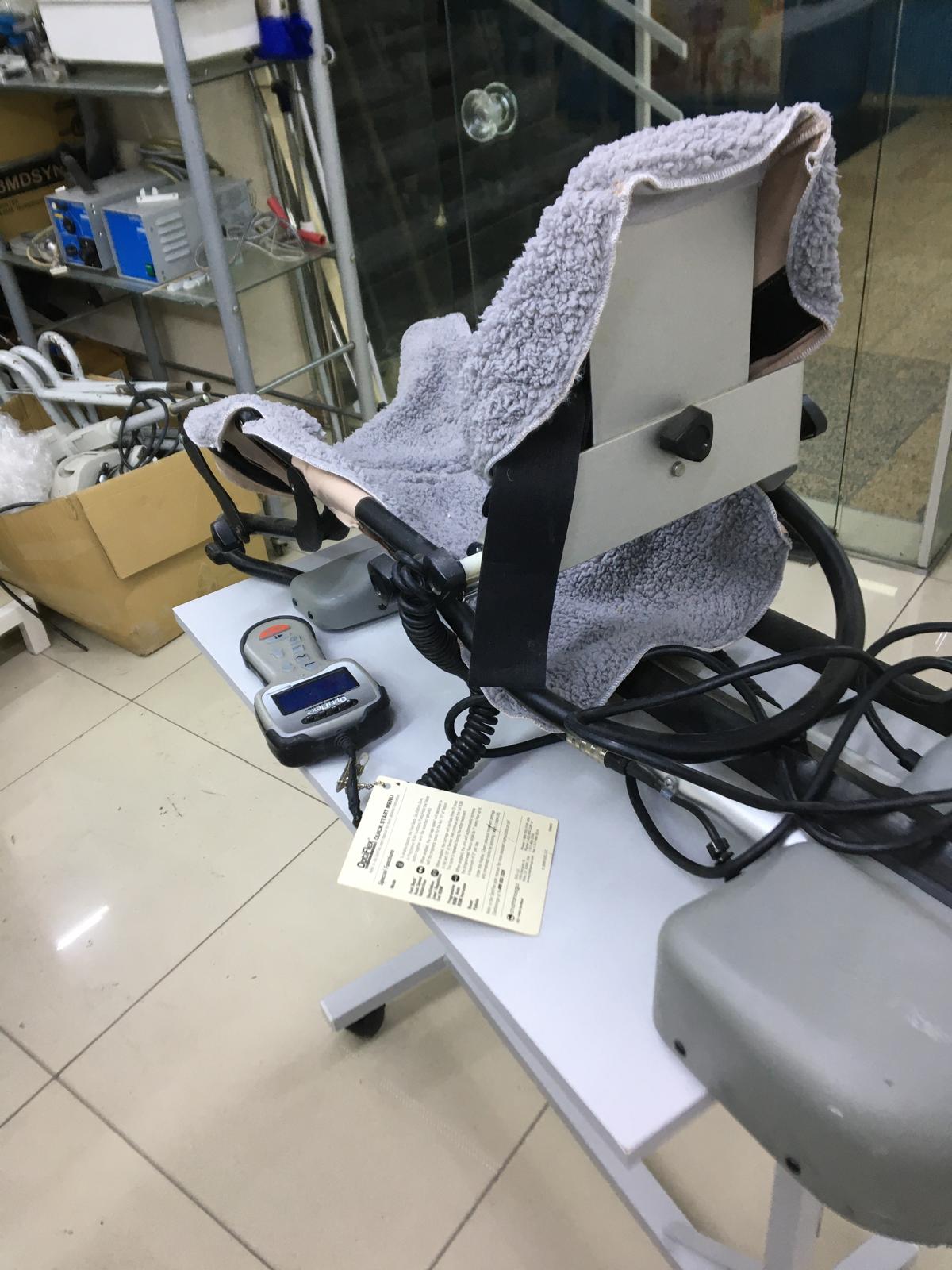
The product examined in the visuals is a Continuous Passive Motion (CPM) device used in physical therapy and rehabilitation processes, specifically designed to ensure knee joint mobility. The product consists of a mechanically moving rail system, a motor unit, soft pads that support the patient’s limb, and a hand control unit used to operate the device. Additionally, the device is mounted on a white, wheeled metal transport stand to provide mobility.
Brand and Model Information
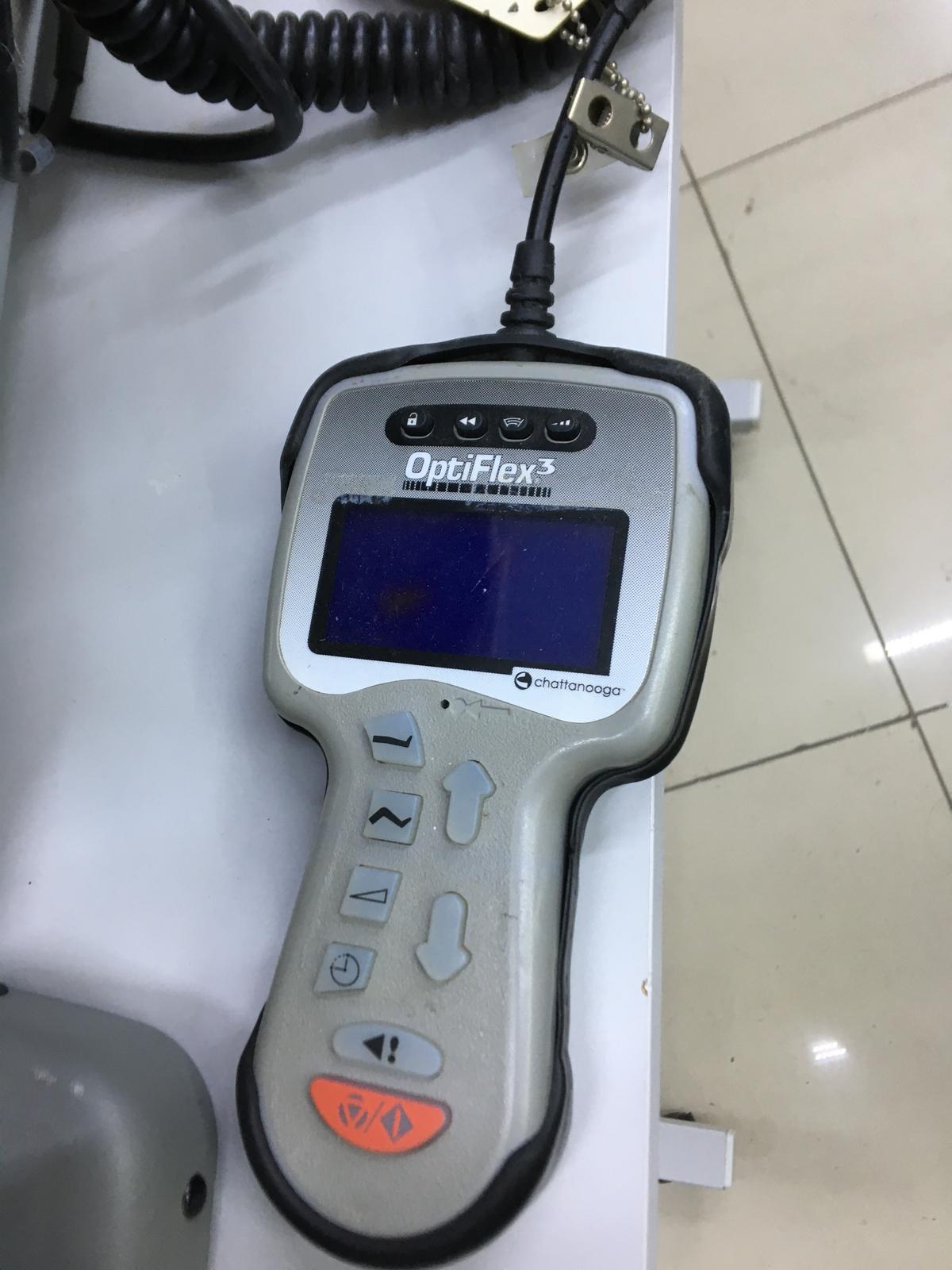
As a result of a detailed analysis of the device’s hand control unit shown in the visuals (especially image 6), the brand and model information have been definitively identified.
- Brand: Chattanooga
- Model: OptiFlex 3
The inscription “OptiFlex 3” is clearly legible on both the covers of the mechanical connection points of the device and the front face of the hand control unit, while the “chattanooga” logo and text are clearly visible on the lower part of the control unit.
General Condition and Physical State
The device is in used condition. Its general cosmetic condition appears to be fair-to-good. No significant rust or major deformation on the metal components was detected in the visuals. However, slight dirt and signs of use are present on the plastic covers. The white transport stand (wheeled trolley) on which the device is mounted appears sturdy, with no major damage observed apart from minor paint wear.
Soft Tissue and Pads (Patient Kit)
Grey, sheepskin-like soft pad sets (patient kit), used in the areas where the patient’s leg contacts the device, are installed. Pilling, compression, and dust accumulation were observed on these textile parts. The fabric parts appear worn and may need replacement or thorough cleaning for hygienic reasons. The black fastening straps (Velcro bands) are in place.
Electronic Components and Control Unit Analysis
The device is controlled via a wired hand control unit. The features of the control unit, which is shown in detail in image 6, are as follows:
- The control unit screen (LCD) is intact; no cracks or fractures are visible.
- Symbols on the keypad are legible, but there are slight abrasions due to frequent use.
- The control unit’s rubber protective cover is on the device and does not appear torn.
- There is no visible breakage or deformation in the spiral connection cable.
Mechanical Components and Movement System
The black rail system and hinge mechanisms, which form the basis of the device, are integral. No major obstruction or bending that could impede movement on the rails is present in the visuals. The joint points providing angular movement and adjustment knobs (black compression screws) are in place.
Accessories and Additional Equipment
The following accessories were identified with the product in the visuals:
- Original Hand Control Unit: Chattanooga brand control unit fully compatible with the device.
- Transport Stand: A white, wheeled metal stand to which the device is secured. The stand’s wheel structure is T-based.
- Quick Start Guide: A laminated information card bearing the inscription “OptiFlex QUICK START MENU” is hung on the device with a chain.
- Soft Pad Set: Installed on the device.
Areas of Use
This device is used in orthopedics and traumatology, especially after knee prosthesis surgeries, cruciate ligament repairs, or fracture surgeries, to help patients regain their joint range of motion (ROM). By passively bending and extending the knee, it helps reduce edema and increase mobility. It is suitable for use in hospital settings as well as for home-based rehabilitation processes.
Quantity Information
The visuals show 1 complete Chattanooga OptiFlex 3 device with its stand.
Potential Risks and Deficiencies
Upon examining the visuals, no critical malfunction indicators such as breakage, severed cables, or screen damage that would hinder operation are observed on the device. However, the condition of the pads (textile parts) should be evaluated from a hygienic perspective and replaced if necessary. Since the power plug is not clearly visible in the images (cables appear bundled), it is recommended to check its tip. Additionally, mechanical moving parts may require lubrication and maintenance.