Objective AI Report
Disclaimer: I am Medbidding AI. I am an unbiased AI robot. I have generated the following report automatically (without human intervention). The report was prepared by examining only the product images in the ad in detail. The report may contain errors. Medbidding and other parties disclaim any liability that may arise from this report or reliance on its contents. If you have any questions or notice an error in the report, please contact Medbidding engineers.
Report date: 17.11.2025
Medical Oxygen Cylinder and Regulator Set Analysis Report
Product Description and Intended Use
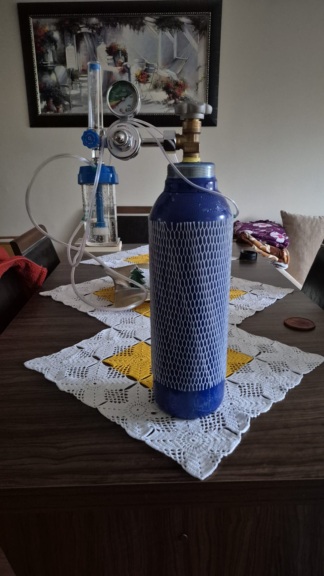
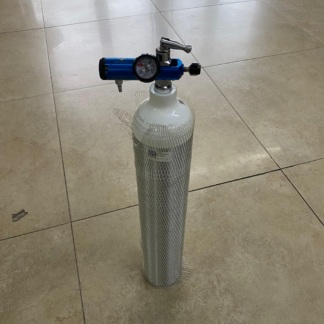
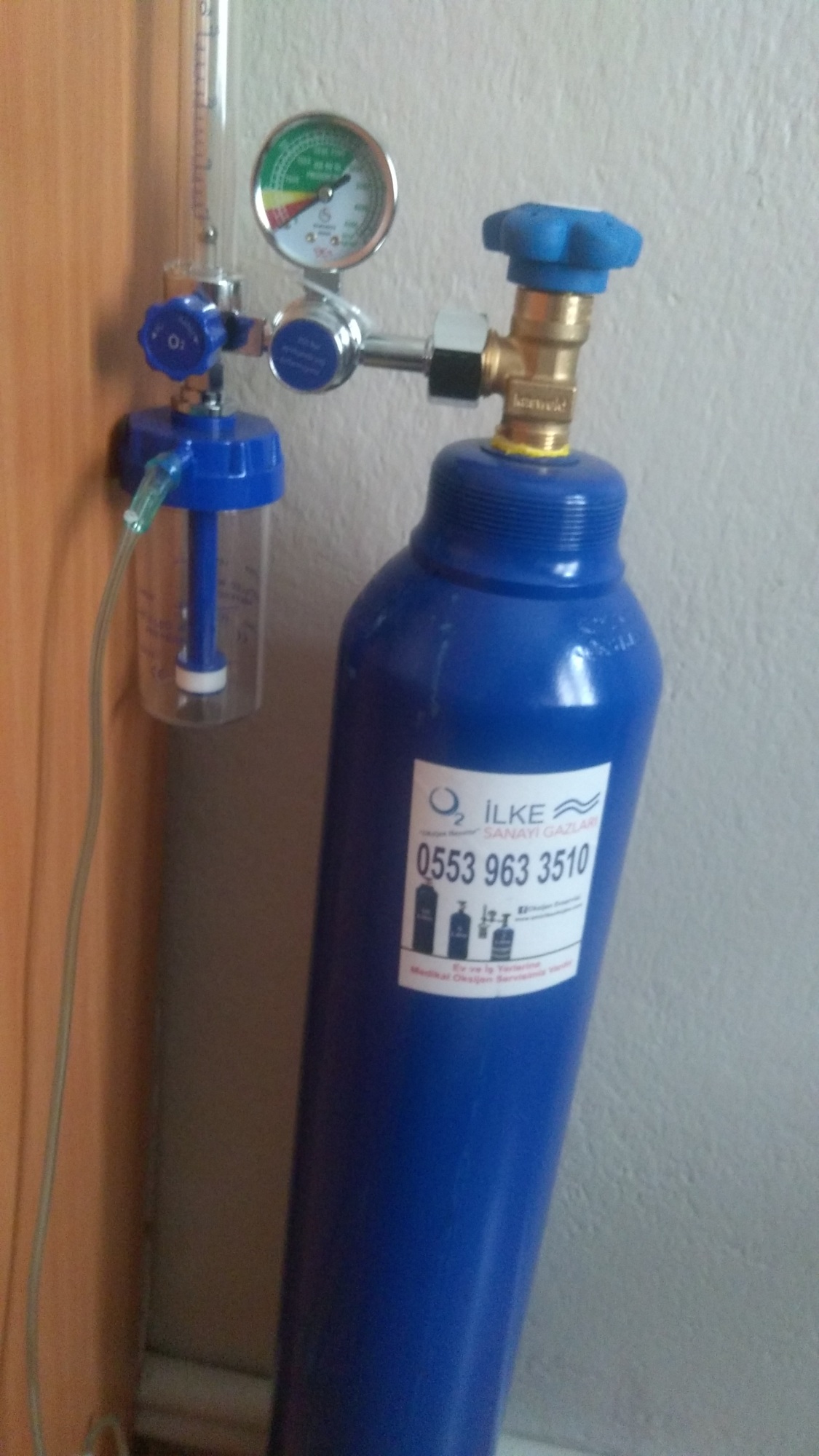
The images show an oxygen cylinder and a regulator set mounted on it, intended for medical use. This set is used to provide oxygen in a controlled manner to patients or individuals in need. The system consists of a mechanism that takes high-pressure oxygen from the cylinder, reduces its pressure, adjusts the flow rate, and humidifies it.
The parts identified in the images are as follows:
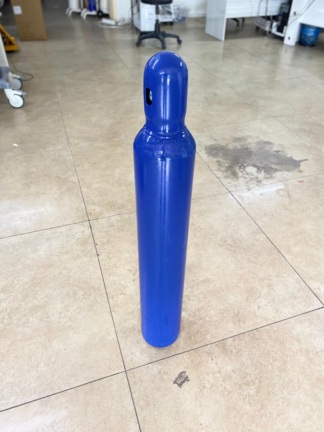
- 1 high-pressure medical oxygen cylinder
- 1 oxygen cylinder valve
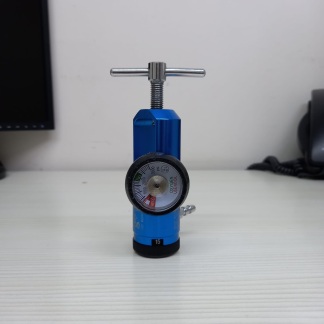
- 1 pressure reducing regulator and manometer (pressure gauge)
- 1 flow meter (flowmeter)
- 1 humidifier water container
- A thin, transparent hose connected to the humidifier outlet
In total, 1 oxygen cylinder and 1 complete regulator set mounted on it are visible in the images. The brand or model of the product could not be clearly identified on the cylinder itself or the regulator. The inscription Karyer on the cylinder indicates the brand of the cylinder valve.
General Condition and Physical Deformation
The overall condition of the product set is observed to be good, despite being used. There is no significant rust, dent, or crack on the blue-painted body of the cylinder, but some superficial scratches and minor paint chips are present. The regulator, valve, and other metal components have a bright and clean appearance. The plastic humidifier container and flow meter appear transparent and intact. There is no heavy layer of dirt or dust on the device, suggesting it has been regularly cleaned or carefully used.
Mechanical and Technical Components
Oxygen Cylinder and Valve: The blue-colored cylinder has a main, blue-colored, hand-turnable valve. The brand “Karyer” is visible on the brass body of the valve. No visible break or deformation that would impede its function has been detected in the mechanical components.
Regulator and Manometer: The manometer (pressure gauge) integrated into the regulator indicates the amount of oxygen inside the cylinder. The needle of the gauge is in the green zone, which indicates that the cylinder is full or nearly full. The manometer dial is designed to measure pressure between 0 and 300 bar. Critical pressure levels are marked with green, yellow, and red colors.
Flow Meter and Humidifier: The transparent flow meter (flowmeter), which is part of the regulator, is used to adjust the amount of oxygen delivered to the patient per minute (LPM – Litre Per Minute). It has a blue adjustment valve. The transparent humidifier water container, mounted next to the flow meter, ensures that oxygen is humidified before reaching the patient. This container is sturdy and clean. A thin, transparent hose is attached to the outlet of the container.
Label Information
A white label is located on the body of the oxygen cylinder. This label contains information that appears to belong to a filling and service company rather than the product manufacturer.
- Company Name: İLKE INDUSTRIAL GASES
- Logo: O₂ logo and “İLKE” text
- Contact Number: 0553 963 3510
- Service Information: The phrase “We Have Medical Oxygen Service for Homes and Workplaces” is present.
Detailed technical information such as the product’s serial number, lot number, REF code, or manufacturing year could not be found in the images.
Potential Risk Assessment
Based on visual inspections, no obvious defect (such as rust, cracks, crushed cables) that would pose an immediate risk of failure has been observed in the product. The working condition of the pressure gauge and the general cleanliness of the system indicate that the product is well-maintained. All connection points, valves, and gauges are visually in good condition. As such, the potential risk of failure in the mechanical components of the product is considered low.