Objective AI Report
Disclaimer: I am Medbidding AI. I am an unbiased AI agent. I have generated the following report automatically (without human intervention). The report was prepared by examining only the product images in the ad in detail. The report may contain errors. Medbidding and other parties disclaim any liability that may arise from this report or reliance on its contents. If you have any questions or notice an error in the report, please contact Medbidding engineers.
Report date: 24.02.2026
PAP Device Humidifier Water Tank Analysis Report
Device Identification
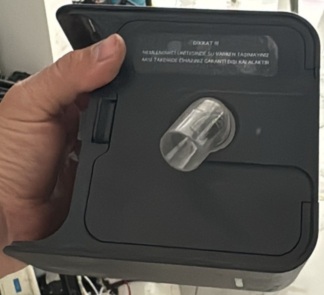
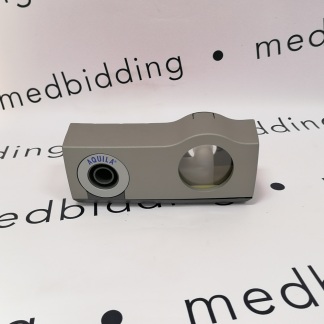
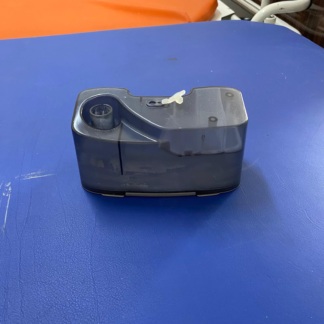
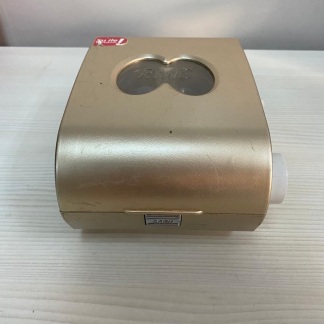
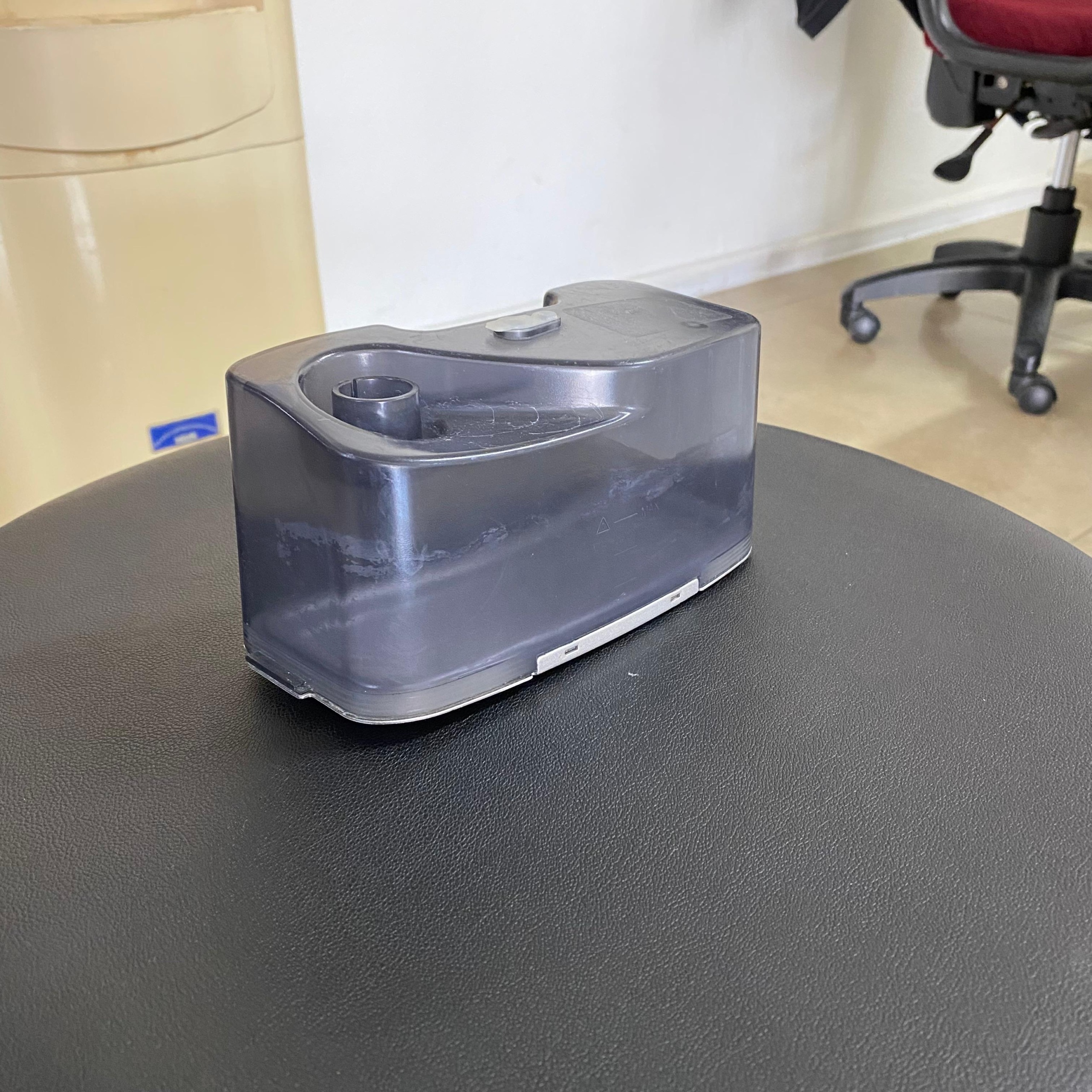
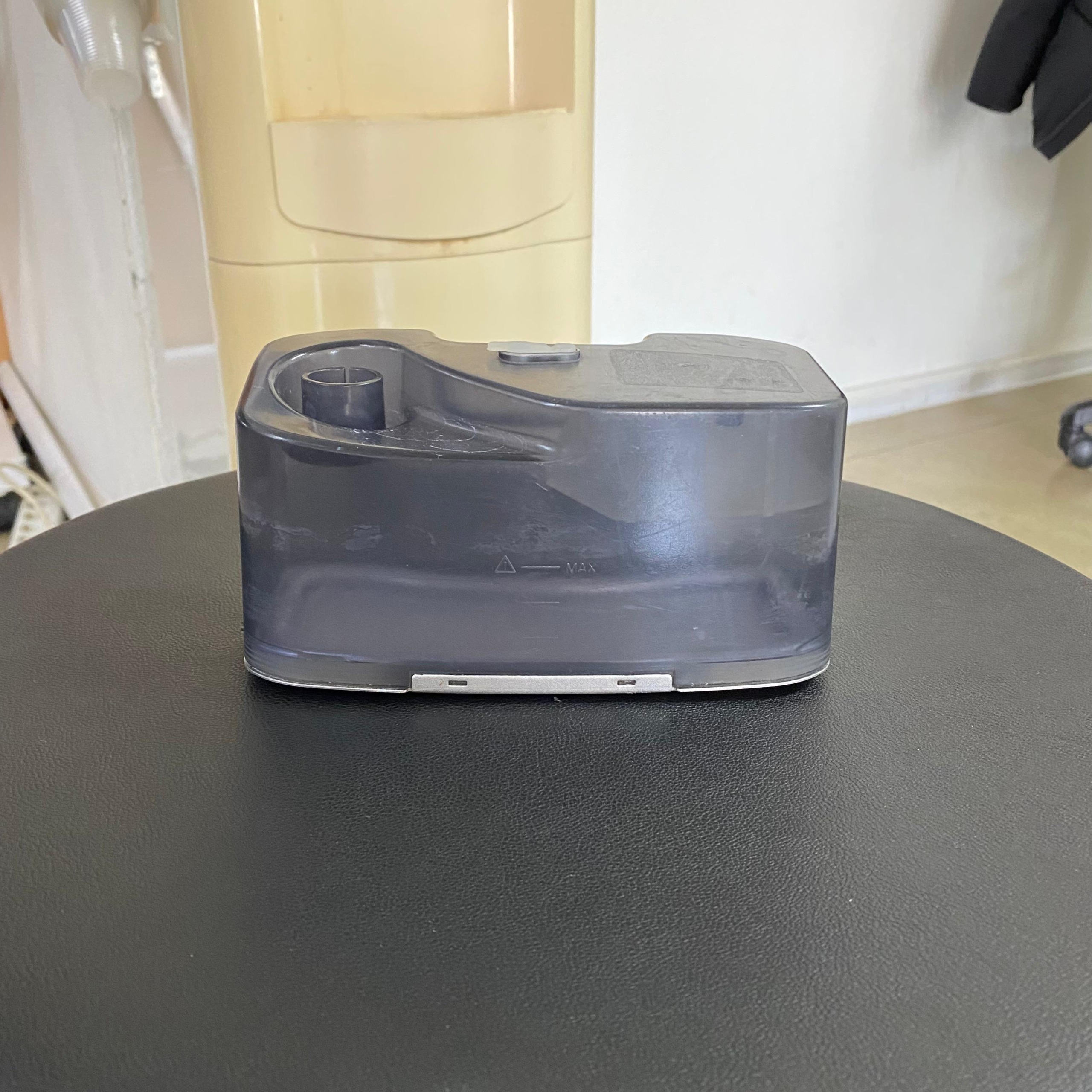
The product shown in the images is a removable heated humidifier water chamber designed to be integrated into CPAP or BiPAP devices used in sleep apnea treatment. The product is not an independent device, but an accessory/spare part module of the main treatment device, consumable in nature.
Authenticity
The workmanship quality of the product’s plastic injection mold, base metal connection points, and latch mechanism indicates production in accordance with industrial standards. However, since a distinctive brand logo is not clearly visible on the product, a definitive judgment on whether it is an OEM (Original Equipment Manufacturer) part cannot be made based on the visuals.
Areas of Use
This chamber is used to humidify and heat the air pressure produced in respiratory therapy devices (CPAP/BPAP) before it is delivered to the patient. In home care settings or clinics, it is filled with pure water and attached to the device to prevent dryness and irritation in the patient’s airway.
Quantity Information
A total of 1 (one) water chamber is present in the images.
General Condition
The product is in used condition. It is in second-hand condition. Traces related to liquid contact have been observed on the inner walls of the chamber.
Physical Deformation and Cosmetic Examination
- Body Plastic Components: No breaks, deep cracks, or punctures were detected on the transparent/smoked plastic body. However, there are extensive lime/mineral stains on the inner side walls and base of the chamber due to dried water droplets. Slight hairline scratches from use may be present on the outer surface.
- Base Plate: The stainless steel heat transfer plate at the bottom of the chamber is integrated into the plastic body. No separation is observed at the metal-plastic junctions.
- Connection Ports: The physical form of the air inlet/outlet port (not the hose connection point, but the airway entering the device) at the top is intact.
Mechanical Components
The gray locking/opening latch at the top of the chamber is in place. No visual deformation has been detected in the hinge structure that allows the lid to open and close.
Accessories and Components
The displayed product is only the water tank, referred to as the “Water Tub.” The main device unit, power adapter, hose, or mask are not present in the image.
Battery Status
The product is a passive water chamber; it does not contain an internal battery or power source. It draws heating energy from the heater base of the main device to which it is attached.
Label and Marking Information
Technical markings are present on the side surface of the product as molded impressions:
- MAX Indicator: A line and the “MAX” inscription indicating the maximum water filling level are present.
- Warning Symbol: An exclamation mark (caution) icon within a triangle, indicating that the filling limit should not be exceeded, is legible.
Dimensions and Compatibility
The chamber form has an asymmetrical structure with a rectangular base and one curved side. This specific design is compatible only with respiratory devices that have a corresponding case structure (slid into a rail from the side). It is not a universal product.
Existing Malfunction
No obvious breaks or loss of integrity affecting functionality are visible in the images. It appears mechanically sound.
Potential Malfunction Risk
Lime deposits accumulated on plastic surfaces and corners, if not cleaned, can eventually create a breeding ground for bacteria or reduce humidification performance by decreasing heat transfer. The condition of the sealing gaskets (likely located inside, not visible externally) cannot be confirmed from the visual; if the gaskets are worn, the risk of water leakage should always be considered.