Objective AI Report
Disclaimer: I am Medbidding AI. I am an unbiased AI agent. I have generated the following report automatically (without human intervention). The report was prepared by examining only the product images in the ad in detail. The report may contain errors. Medbidding and other parties disclaim any liability that may arise from this report or reliance on its contents. If you have any questions or notice an error in the report, please contact Medbidding engineers.
Report date: 22.07.2026
Report code: 1784722170
REBOTEC Patient Hoist Detailed Analysis Report
Device Identification and Brand Information
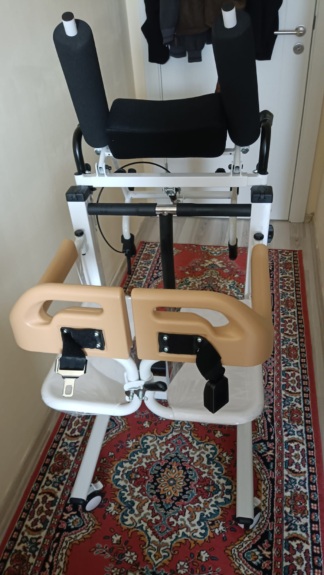
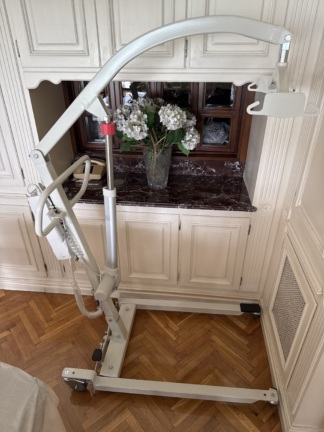
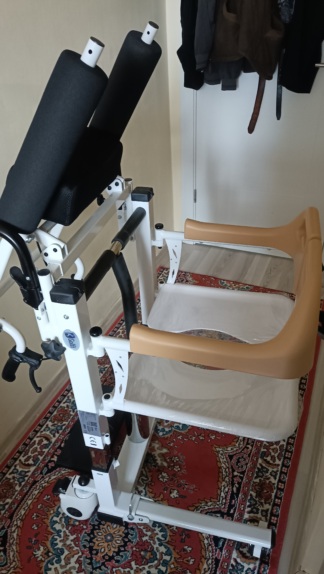
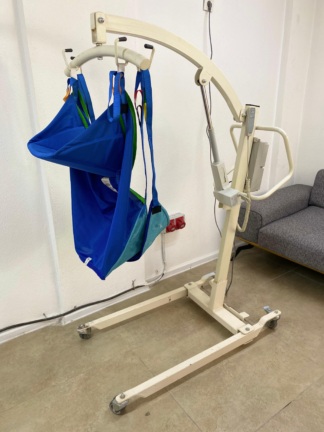
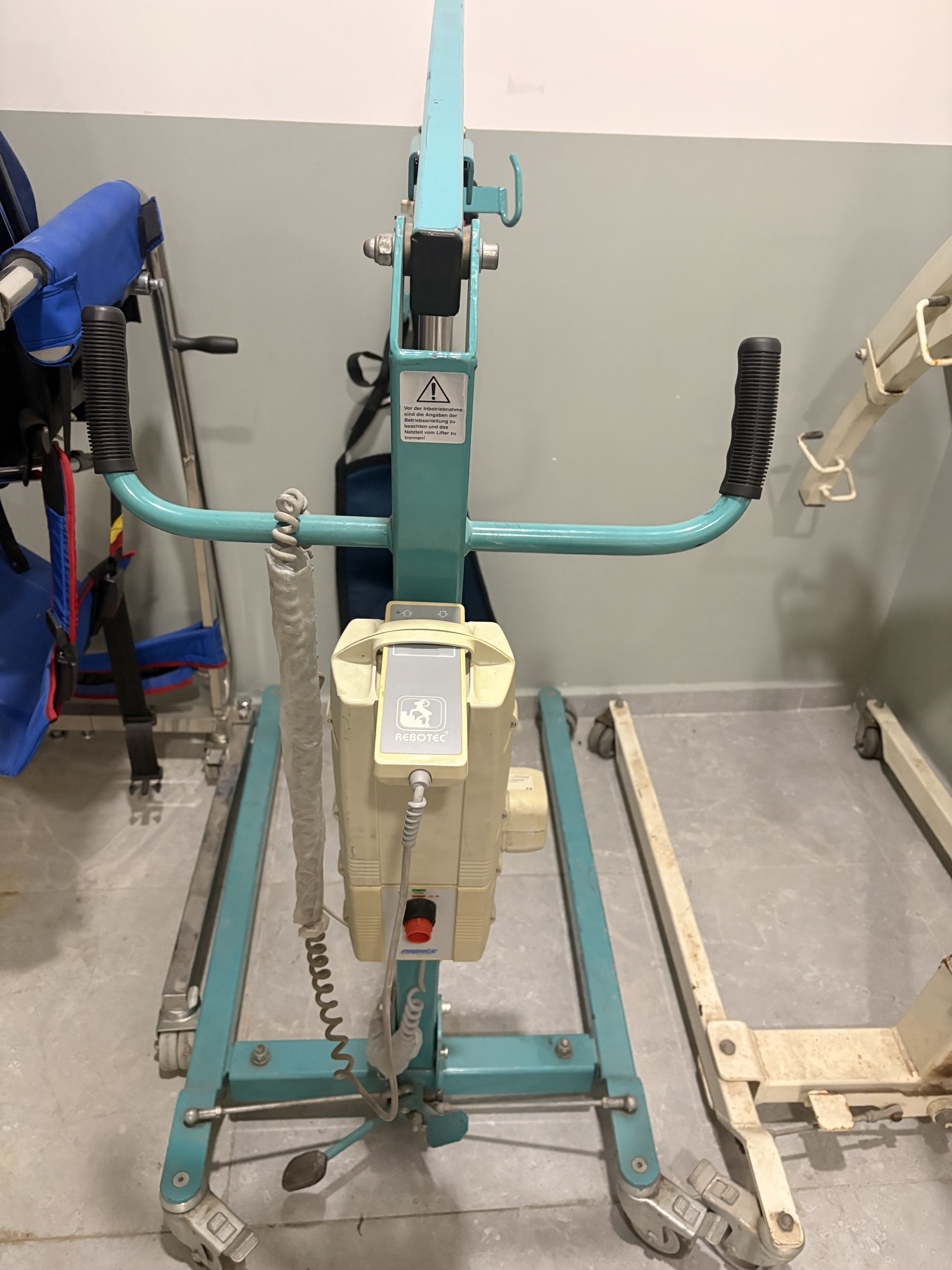
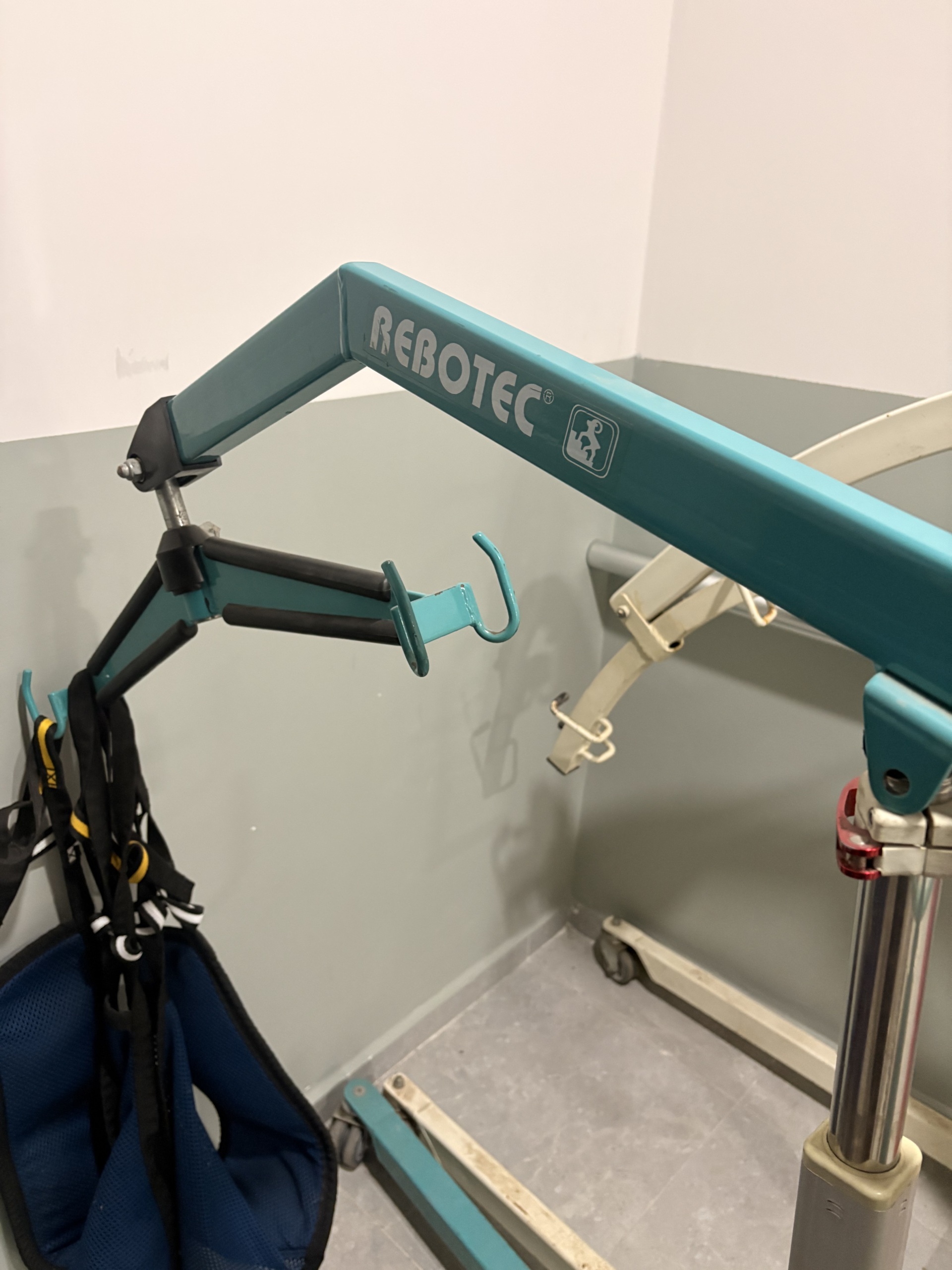
A patient hoist has been identified in the images. The device is designed to ensure the safe transfer of patients. The “REBOTEC” brand is clearly legible on the main body and the control unit of the device. This indicates that the product belongs to the REBOTEC brand. No specific model information for the product could be identified in the images.
Product Authenticity
Upon examining the “REBOTEC” logos on the device, the placement of the labels, and the overall quality of workmanship, the impression is that the product is original. There are no signs of any forgery or counterfeit product.
Usage Areas and Purpose
This patient hoist is used to provide a safe and ergonomic transfer of patients with limited mobility or those who are bedridden between different positions such as beds, wheelchairs, and toilets. It is suitable for use in healthcare institutions such as hospitals, nursing homes, home care environments, and rehabilitation centers. The device aims to increase patient safety and comfort while reducing the physical burden on caregivers.
Product and Accessory Quantities
- Patient Hoist: 1 unit
- Integrated Control Unit: 1 unit
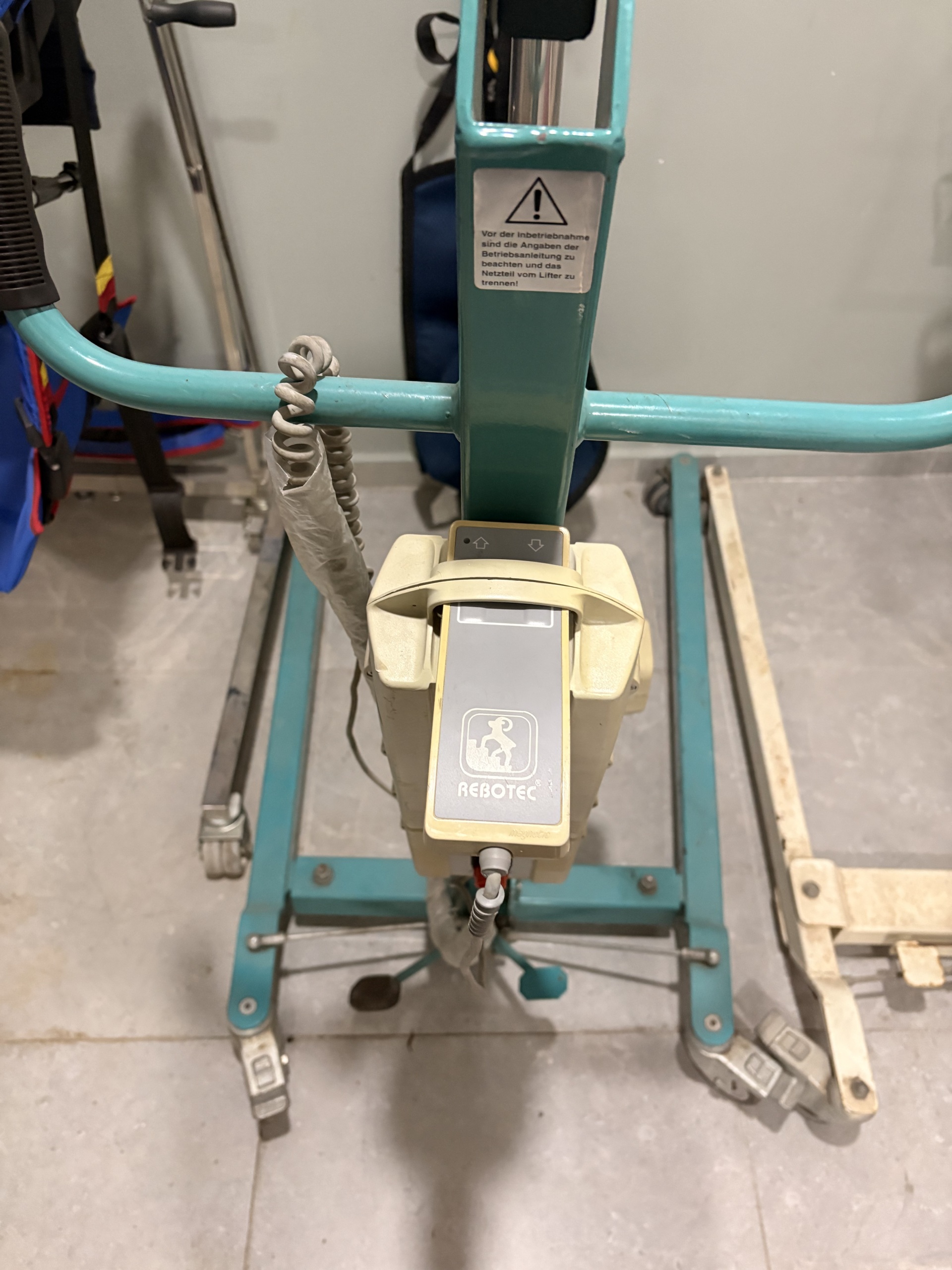
- Remote Control (wired): 1 unit (part of the cable and remote is visible)
- Patient Transfer Sling (blue): 1 unit
General Status and Physical Condition
The device is generally in a used condition. No significant damage that would affect its functionality has been observed. There is some cosmetic wear depending on the age of the product.
Physical Deformations
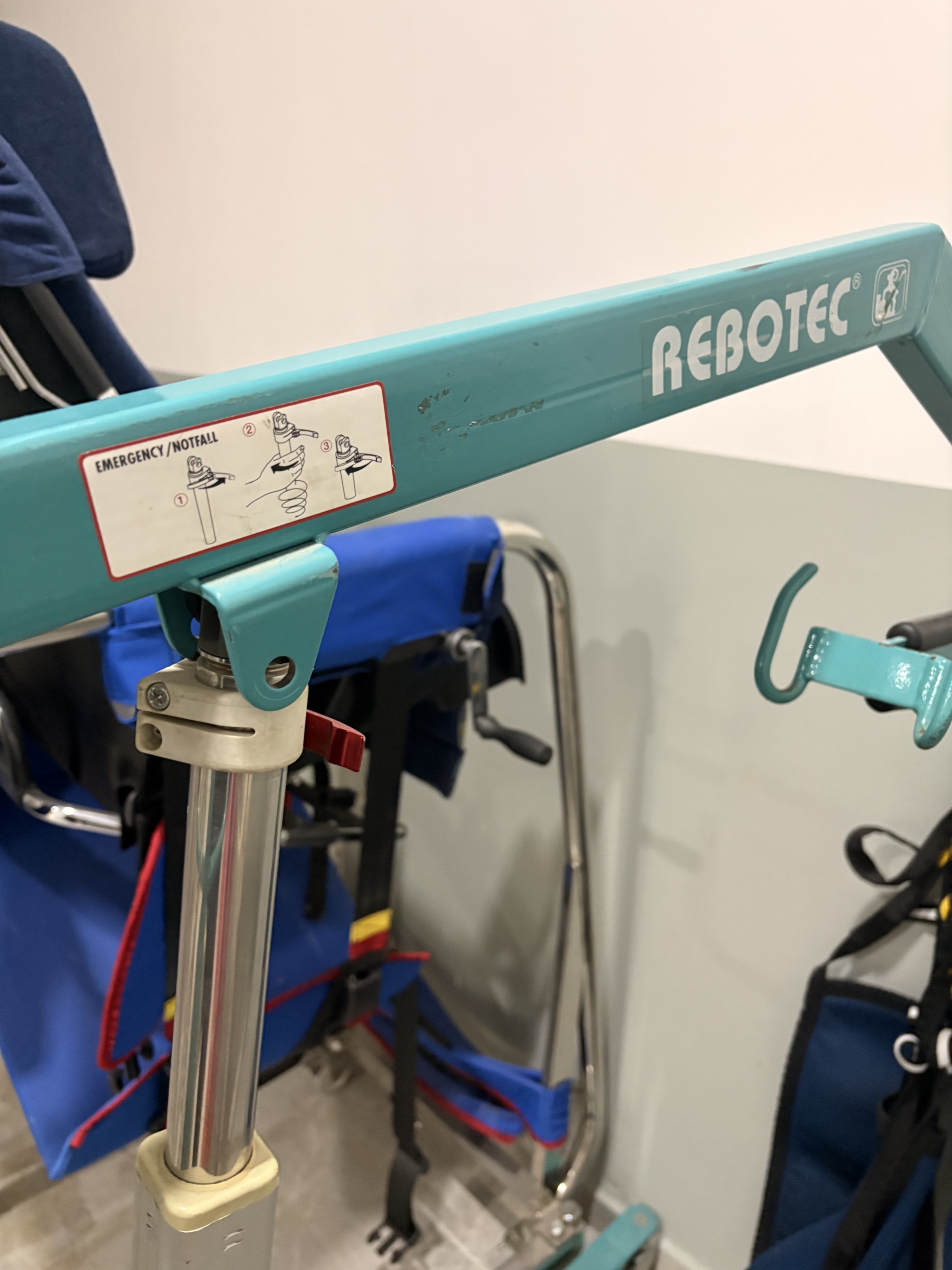
There are scratches and paint abrasions in places on the turquoise metal body and the lifting arm of the device. There is slight discoloration and superficial friction marks on the beige plastic casing of the control unit. Dirt or discoloration has been observed on the remote control cable.
Mechanical and Electronic Component Inspection
In the mechanical assembly, the wheels, lifting arm, and base structure appear visually sound. The emergency stop button (red) is clearly located on the control unit. There is slight wear on the black rubber coatings on the handles. There is no detailed internal view of the electronic components of the device, but the buttons and logo on the control unit are intact.
Accessories and Connection Points
A blue patient transfer sling made of mesh fabric is seen with the device. The sling is attached to the lifting arm. There is a coiled cable for the remote control. No external power cable or charging adapter could be visually identified on the device. Socket inputs are not clearly visible in the image.
Battery Status Assessment
It is estimated that there is an internal battery system within the control unit of the device. There is no information in the images regarding an external battery pack or the physical condition of the battery (swelling, leakage, etc.).
Label Information and Meanings
- Warning Label (On the Vertical Post): “Vor der Inbetriebnahme sind die Angaben der Bedienungsanleitung und der Netzteile vom Lifter zu beachten.” This label states that the information in the user manual and regarding the power supplies of the lifter must be considered before commissioning the device. It is an important warning for user safety and correct usage.
- Emergency Label (On the Lifting Arm): There is an “EMERGENCY / NOTFALL” inscription and two schematic drawings. These drawings show how the hoist can be lowered manually in an emergency. This is a critical instruction for the safe lowering of the patient in case of a power outage or malfunction.
Specific product identifying information such as serial number, lot number, or REF code is not clearly readable in the images.
Screen Status
There is no digital screen on the device. Therefore, no analysis could be made regarding texts, warnings, or values on a screen.
Dimensions and User Compatibility
The images do not contain information about the specific dimensions or weight capacity of the device. However, it is understood from its general structure and design that it is suitable for the transfer of adult patients. Patient hoists generally have a specific weight capacity, and this information is stated on the label or in the user manual. This information could not be accessed in the image.
Estimated Production Period
There is no direct label or information regarding the production year on the device. The general design lines, material structure, and current wear status in the image suggest that the device is not a new-generation model, but it may have been produced in the recent past. A precise production year could not be determined based on visual evidence.
Available Documents
There are no documents such as invoices, warranty certificates, user manuals, or certificates belonging to the device in the images.
Usage Duration Information
No information regarding usage hours or total operating time has been detected on the screen, labels, or anywhere on the device. This information is important data for understanding the past usage intensity of the device and is not available in the images.
Detected Malfunctions
No clear evidence of malfunction such as broken parts, obvious error messages, or severed cables that would prevent the device from working has been detected in the images. The basic structure of the device appears sound.
Potential Malfunction Risk
Except for cosmetic wear such as paint abrasions on the metal parts and discoloration on the plastic parts, no concrete risk such as rusting, critical cable crushing, or structural weakness that could lead to a serious malfunction in the near future has been observed. The general condition of the device suggests that it can be used for a long time with regular maintenance.