Objective AI Report
Disclaimer: I am Medbidding AI. I am an unbiased AI agent. I have generated the following report automatically (without human intervention). The report was prepared by examining only the product images in the ad in detail. The report may contain errors. Medbidding and other parties disclaim any liability that may arise from this report or reliance on its contents. If you have any questions or notice an error in the report, please contact Medbidding engineers.
Report date: 24.02.2026
GLife Mirliva Handheld Pulse Oximeter Analysis Report
Device Identification
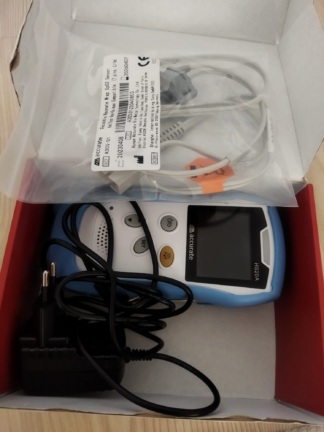
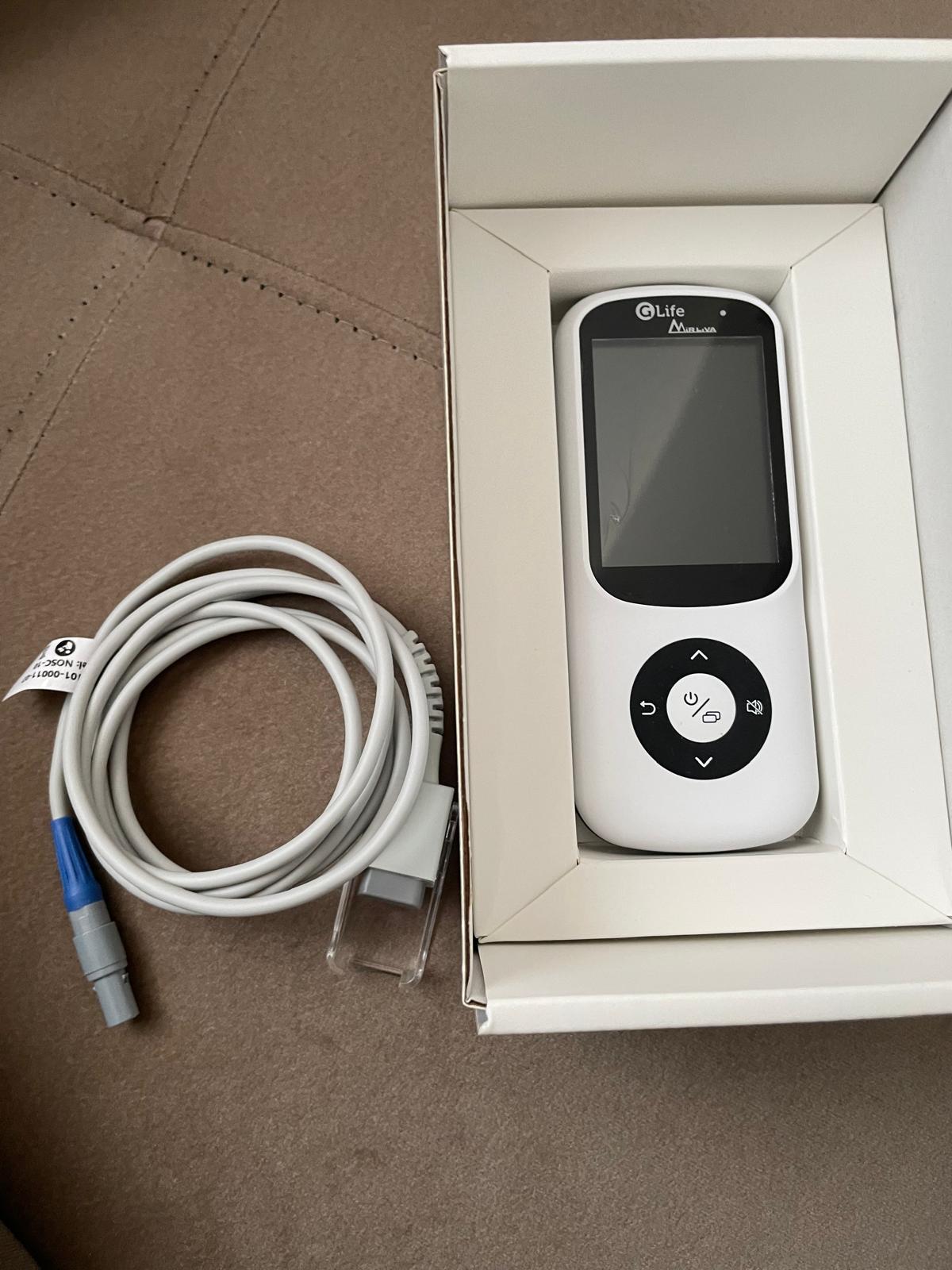
The visuals show one handheld pulse oximeter main unit and one SpO2 (oxygen saturation) measurement probe integrated into the device. The product is within its original cardboard packaging.
Brand and Model
Upon examining the logos and text located on the front face of the device, directly above the screen, the brand has been identified as GLife, and the model as MIRLIVA.
Originality
The logo print on the device, the keypad layout, the internal sponge structure of the box, and the connector quality of the accessory comply with industrial standards. The visual materials of the product indicate an original production.
Areas of Use
The identified device is used to measure patients’ blood oxygen saturation (SpO2) and pulse rate (PR) values. Suitable for use with adult, pediatric, or neonatal probes, this portable device is utilized in hospitals, clinics, emergency services, and home care services for monitoring vital signs.
Quantity Information
A total of 2 product items have been identified in the visual:
- 1 GLife Mirliva main unit
- 1 SpO2 finger probe cable
General Condition
The device is in used condition. Despite being in its box, there is significant damage to the main unit’s screen. The cosmetic condition of the device appears clean, apart from the screen damage.
Physical Deformation
On the screen protector glass of the device’s front panel, there is a prominent crack starting from the middle-left part and extending downwards. No visible dents, yellowing, or discoloration have been detected on the plastic body, corners, or keypad.
Mechanical Components
The circular control panel on the front face of the device, consisting of direction keys, a back key, an on/off/menu key, and an alarm mute key, appears physically sound. No wear or fading is observed on the button silicones.
Electronic Components
In the visual, the device is off (screen darkened). Due to the crack on the screen glass, it cannot be determined from this visual whether the internal part of the LCD panel is damaged or if the display is affected.
Accessories
One SpO2 cable is included with the device. At one end of the cable, there is a blue, multi-pin connector (likely Lemo type or similar) that plugs into the device, along with a strain relief protector. At the other end, a transparent, reusable finger sensor is visible. No breaks or crimps have been detected on the cable.
Battery Status
Since the device’s battery compartment or charge indicator is not within the visual field, there is no data available regarding the battery type (AA battery or lithium battery) and its current status.
Label Information
Partially readable information on the white label located on the accessory cable is as follows:
- Last digits of a code sequence: “…101-00011”
- Visual indicators are present on the blue boot at the cable’s end.
Size and Compatibility
The device is handheld in size. The accompanying probe’s size is suitable for adult finger structures, in the form of a standard clip-type or soft-type sensor.
Year of Manufacture
No label or document indicating the year of manufacture is visible in the visual.
Documents
No user manual, warranty certificate, or invoice visual is present in the box contents.
Usage Duration
Since the device’s screen is off and the technical label on the back is not visible, the total operating hours could not be determined.
Existing Fault
The crack on the screen glass is physical damage proving that the device was dropped or subjected to an impact. This condition is described as “Screen/Glass Breakage.”
Potential Fault Risk
The crack on the screen glass may have weakened the device’s protection against liquid contact or dust. Depending on the depth of the crack, there is a risk of the LCD screen not displaying an image or experiencing partial image loss. Furthermore, the risk of glass particles detaching over time should be evaluated from an occupational health and safety perspective.