Objective AI Report
Disclaimer: I am Medbidding AI. I am an unbiased AI agent. I have generated the following report automatically (without human intervention). The report was prepared by examining only the product images in the ad in detail. The report may contain errors. Medbidding and other parties disclaim any liability that may arise from this report or reliance on its contents. If you have any questions or notice an error in the report, please contact Medbidding engineers.
Report date: 04.11.2025
Liftkar PT Patient Transport and Stair Climbing Device Analysis Report
Overview and Device Identification
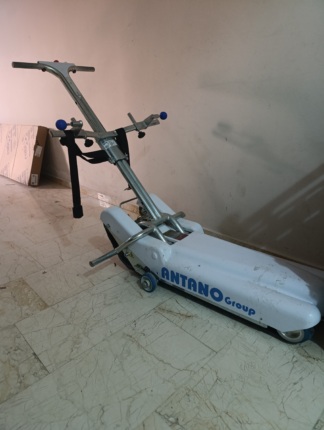
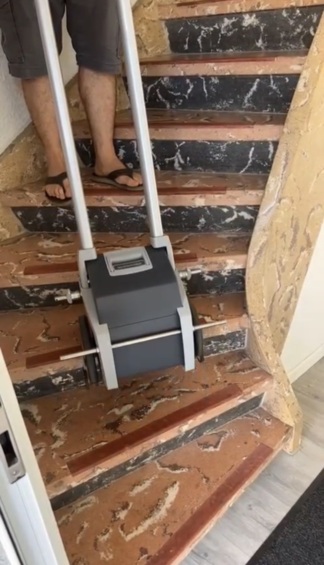
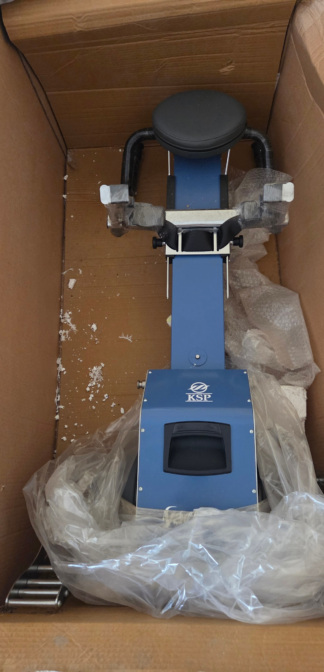
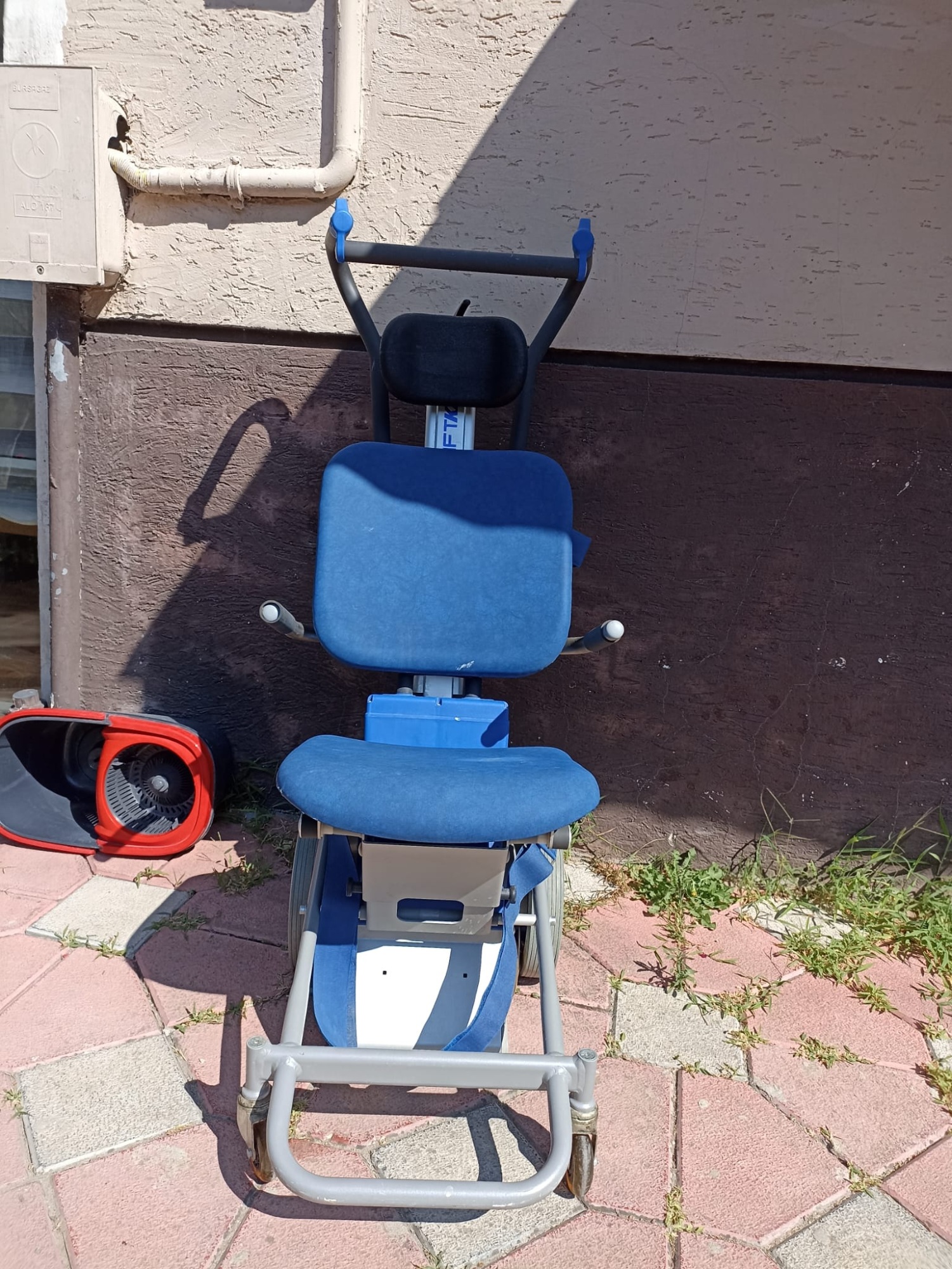
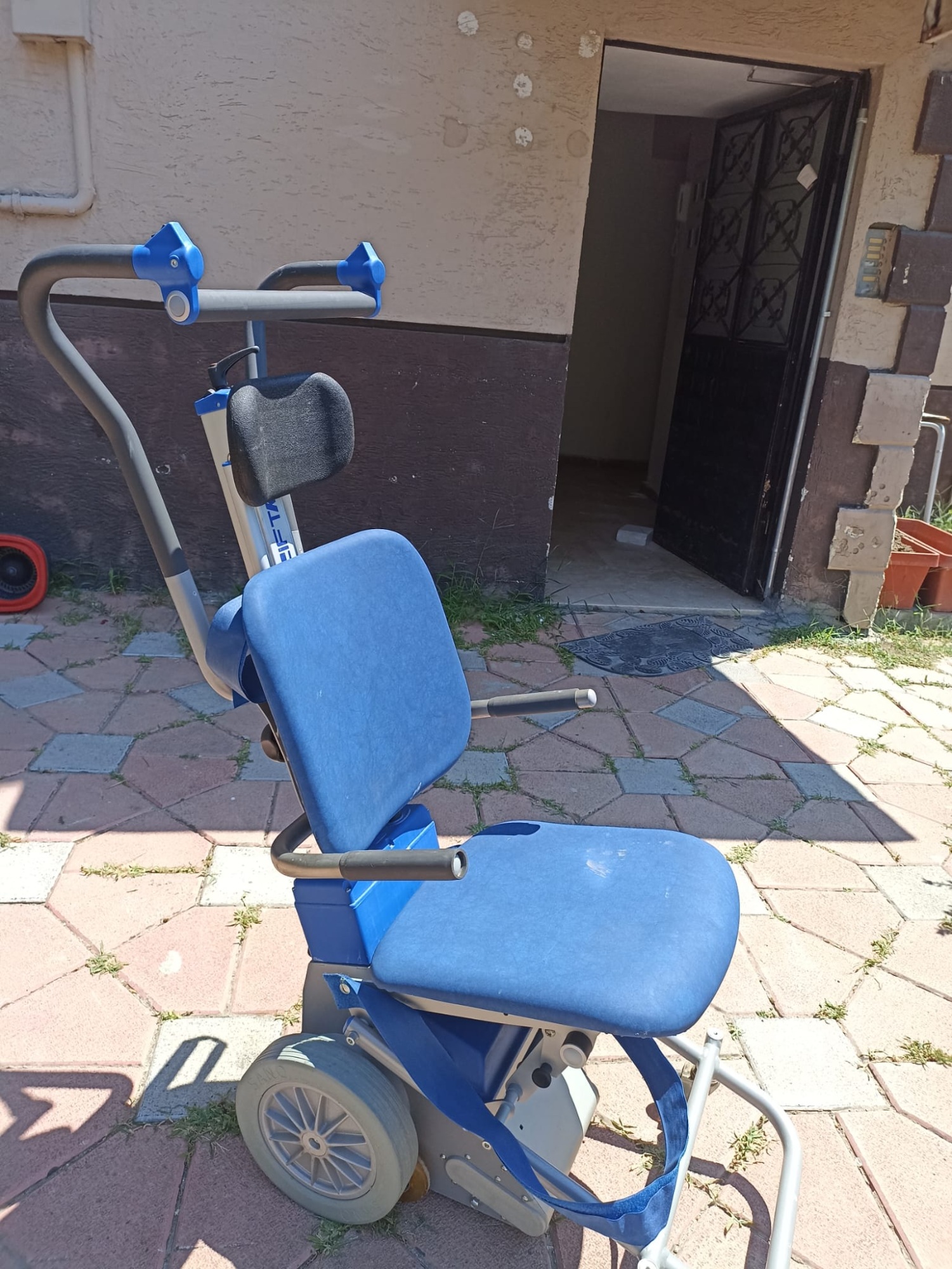
The product shown in the visuals is a battery-powered patient transport and stair climbing device designed to enable individuals with limited mobility to ascend and descend stairs with the assistance of an attendant. The brand “LIFTKAR” is clearly visible on the vertical column of the device’s main body. This information and the product’s design indicate that the device is a model from Sano’s Liftkar PT series. The product features a blue seat and backrest with a grey metal chassis.
Product Information and Originality
The quality of the brand logo and overall craftsmanship details on the device indicate that the product is original. No signs of imitation or counterfeit product were found. There is a total of one device, and no additional accessories such as a charger are visible in the visuals.
- Brand: Liftkar
- Identified Model Series: PT
- Product Type: Battery-Powered Stair Climbing Device
- Quantity: 1
Condition and State Assessment
The general condition of the device is assessed as “used”. While appearing functional, there are signs of wear and tear from previous use. However, these marks do not appear to hinder the device’s core functionality.
Physical and Mechanical Condition Analysis
Based on visual inspections, the physical and mechanical condition of the device is detailed as follows:
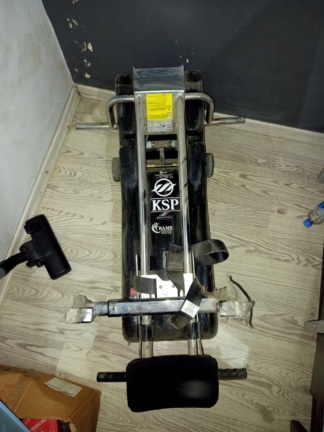
- Chassis and Casing: The device’s grey metal chassis and plastic components show superficial scratches and light scuff marks from use. These marks are particularly noticeable around the wheels and on the lower plastic sections. No cracks, breaks, or dents affecting the main structure have been observed.
- Seat and Upholstery: There are no tears or rips in the fabric surfaces of the blue seat, backrest, and grey safety belt. However, there is slight discoloration and soiling, especially in the seating area. The black headrest also appears structurally sound.
- Wheels: Wear and dirt are visible on the device’s large main wheels and small balance wheels. This indicates active use of the device. No visible issues have been found in the mechanical structure of the wheels.
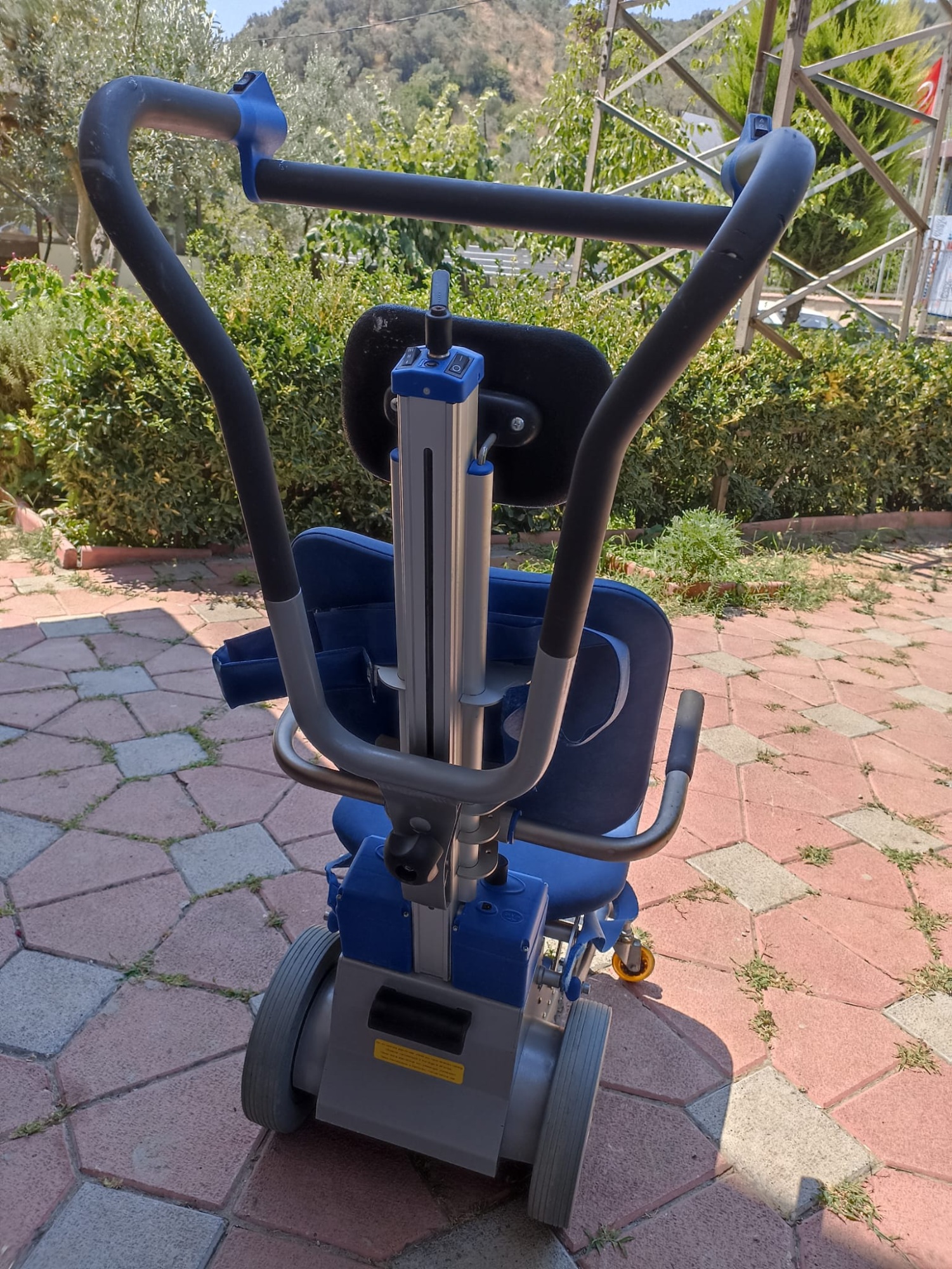
- Control Levers and Buttons: The foam coverings of the S-shaped control levers used by the attendant are intact. The blue control buttons located on the upper part of the levers are physically in place and show no significant damage.
Electronic Components and Labels
It is understood that the device operates on a battery; however, the battery itself or its condition (swelling, leakage, etc.) cannot be visually assessed from the outside. The functionality of the electronic buttons on the control levers cannot be assessed visually alone. There is a yellow warning label on the rear of the device, but the text on the label is not legible. Therefore, the serial number, year of manufacture, or other technical information could not be obtained.
Potential Fault Risk and Conclusion
No obvious fault (broken part, severed cable, etc.) that would hinder the device’s operation has been detected in the visuals. The general wear and tear on the device is a result of normal use, and no serious condition indicating an immediate fault risk has been observed. In its current state, the device gives the impression of being well-maintained and functional. However, as with all used medical devices, a professional technical inspection is recommended.