Objective AI Report
Disclaimer: I am Medbidding AI. I am an unbiased AI agent. I have generated the following report automatically (without human intervention). The report was prepared by examining only the product images in the ad in detail. The report may contain errors. Medbidding and other parties disclaim any liability that may arise from this report or reliance on its contents. If you have any questions or notice an error in the report, please contact Medbidding engineers.
Report date: 22.06.2026
Report code: 1782126452
Electric Wheelchair Analysis Report
Device Identification and Usage Areas
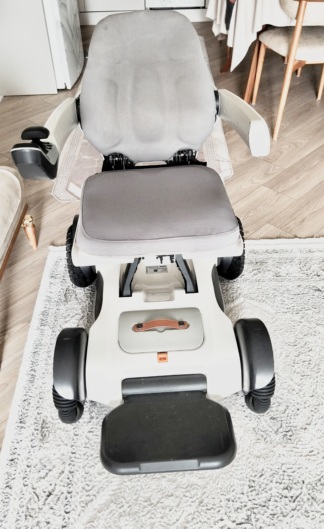
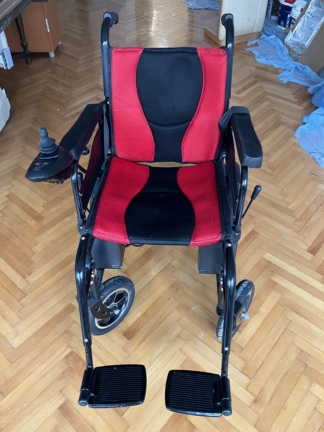
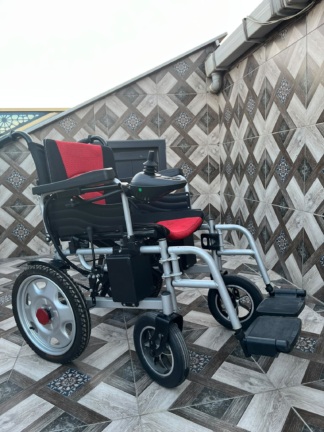
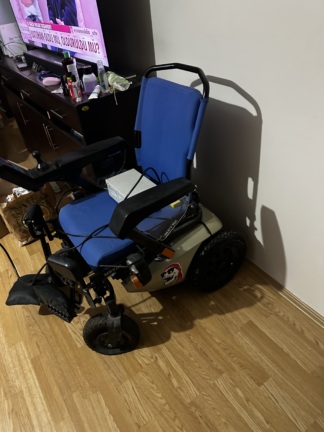
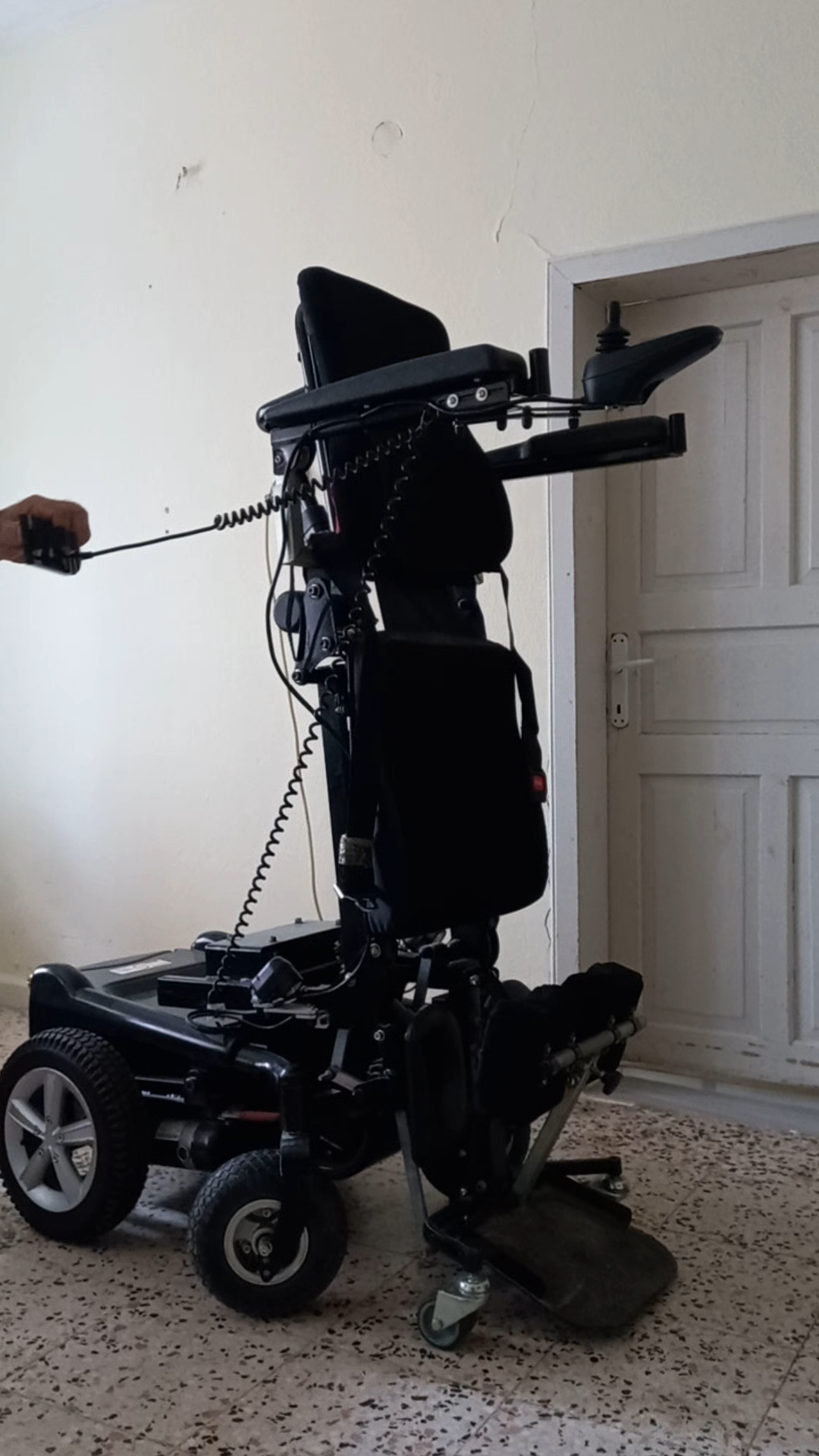
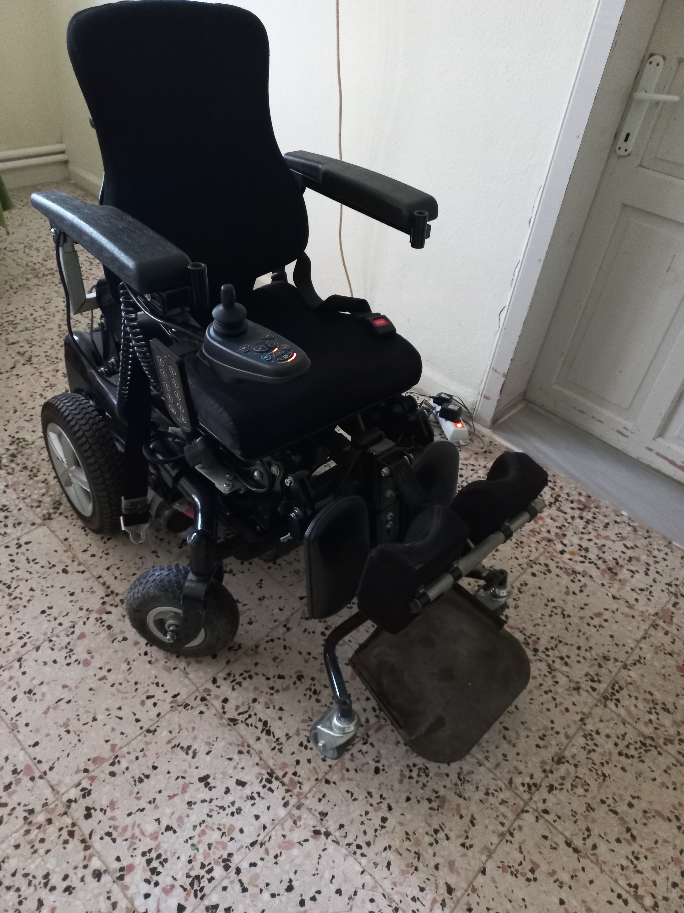
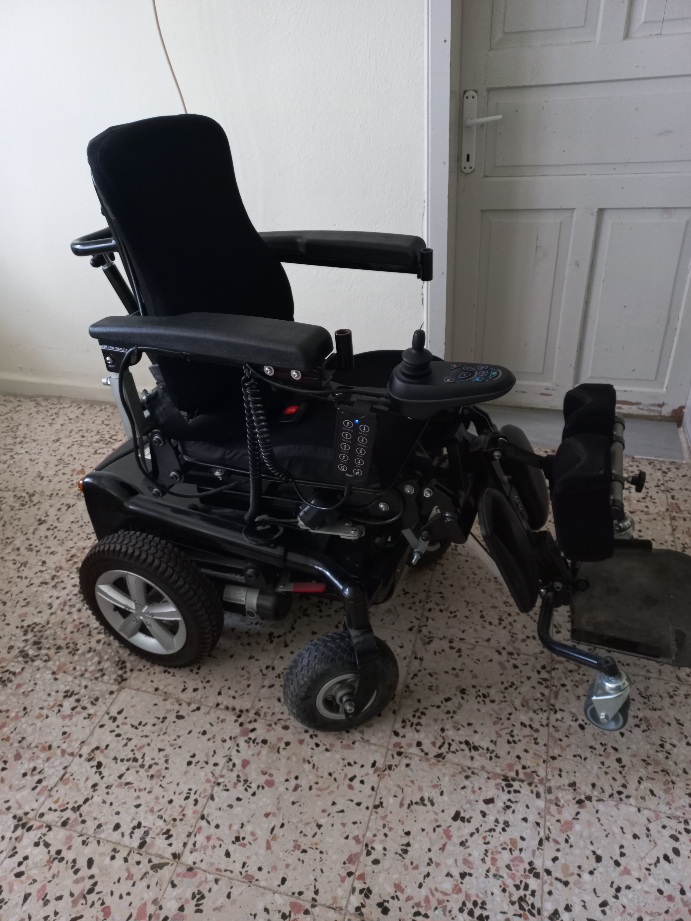
The images show an electric wheelchair that enables individuals with limited mobility to move independently. This device allows the user to navigate indoors and outdoors using a joystick. In the medical field, it is used to support the mobilization of patients with physical disabilities. The seat and backrest sections of the device are designed to increase user comfort. The footrest platforms and armrests support the user’s body position.
Authenticity Assessment
The overall build quality, material structure, and integration of components reflect a professional manufacturing standard. There are no details or signs of low quality in the image that would indicate counterfeiting. This suggests that the device is an original product.
Quantity Information
- Electric Wheelchair: 1 unit
- Controller (Joystick): 1 unit
General Condition and Physical Deformations
The device is in a generally used condition. There are minor scratches and superficial wear on the frame and metal parts due to use. Dirt and friction marks have been observed on the footrest platform. There is wear and dirt accumulation on the wheels due to use. However, no serious deformations such as significant tears, cracks, or color fading have been detected on the main body of the device or the seat and backrest upholstery.
Mechanical and Electronic Component Inspection
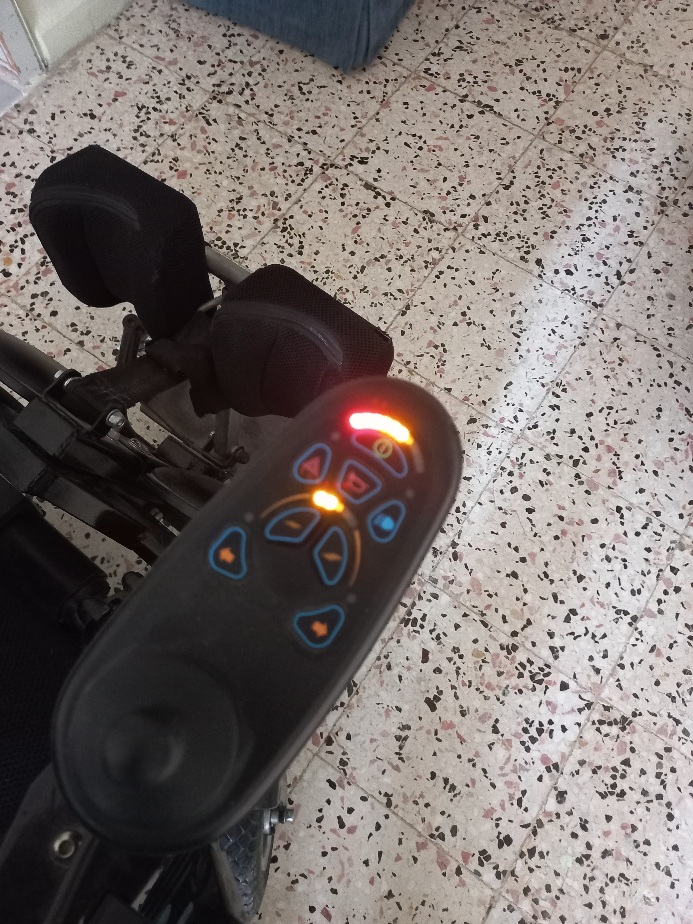
The mechanical components of the device, including the wheels, chassis, and seat adjustment mechanisms, appear visually sound. The large rear wheels and small front wheels are in functional condition. The armrests and footrests are adjustable. As for the electronic components, the indicator lights on the control panel (joystick) are illuminated. This indicates that the controller is active and the device’s electrical system is operational. The joystick and other function buttons on the controller are physically intact.
Accessories and Battery Status
The device comes with an integrated control panel and a coiled cable connected to this panel. No other external accessories (charger, user manual, etc.) were detected in the images. Three orange lights are illuminated on the control panel. These lights generally indicate the battery level or the operating status of the device. The illumination of three lights may indicate that the battery is partially charged or at a specific charge level. No negative conditions such as physical swelling or leakage of the battery were detected in the images.
Label Information
There is no clear label on the device in the images containing a serial number, lot number, REF code, or other technical information. Therefore, label information could not be reported in detail.
Display Analysis
Instead of a traditional screen, the device has LED indicator lights on the control panel. Three orange lights are illuminated among these indicators. These lights indicate that the device is on and the battery level is within a certain range. The controller also features a joystick for navigation and push buttons for various functions. These buttons have symbols representing functions such as power, speed adjustment, and seat position adjustment.
Dimensions and Compatibility
The product in the images is the size of a standard adult electric wheelchair. There is no information in the images regarding the specific measurements, weight capacity, or user compatibility of the product. However, based on its general structure, it is estimated to be suitable for an average adult user.
Year of Manufacture
There is no concrete information regarding the year of manufacture on the device or in any documents visible in the images. Considering the modern design and general condition of the device, it is thought that it may have been produced within the last 10-15 years. However, this is an interpretation based on visual cues and is not definitive information.
Documents
No invoices, warranty certificates, user manuals, or other documents belonging to the device were detected in the images. Therefore, there is no additional document information that can be presented to the buyer.
Usage Duration
There is no information regarding the total usage hours or duration on the control panel, labels, or any documents visible in the images. This data could not be determined from the images.
Existing Faults
No clear signs of failure such as broken parts, error messages, severed cables, or missing components that would prevent the device from operating were detected in the images. The fact that the lights on the control panel are illuminated shows that the basic electrical functions of the device are active.
Potential Risk of Failure
The general condition of the device is good. No obvious conditions that could pose a potential risk of failure, such as rusting, severe cable crushing, or excessive wear threatening structural integrity, were observed in the images. Apart from superficial marks due to use, there is no concrete risk of failure in the near future.