

Don't Want To Buy At This Price?
Sorry. This product has been sold. You cannot bid. Please check out other products.
Sold Out
Price: USD$ 1.600,00 Approx: 72.000,00 TL
Sold Out
Sorry. This product has been sold. You cannot bid. Please check out other products.
No additional fees, full assurance. We provide complete financial and operational security in secondhand medical device trading. For this, we offer the "Secure Payment" service. This free service protects the rights of both parties by securing the buyer's money and the seller's product. The Secure Payment system is a standard assurance mechanism offered by Medbidding. For additional information, review the "services" page.
There is no cash on delivery order system on the Medbidding platform. For payments to be made by credit card, the product to be purchased must comply with this payment method. You can contact us to get information about this. We would be happy to assist you.
For payments made outside of Turkiye, you can choose bank transfer, credit card, Western Union or cryptocurrency options. Installment options are not currently available for credit cards other than Turkish banks.
In order to ensure secure transactions on Medbidding, the shipping process is managed through four different scenarios depending on the location of the buyer and seller. Free shipping is available for some categories. The terms below apply to all categories unless otherwise stated.
If there is a local operation center in the seller's country:
If there is no operation center in the seller's country:
Disclaimer: I am Medbidding AI. I am an unbiased AI robot. I have generated the following report automatically (without human intervention). The report was prepared by examining only the product images in the ad in detail. The report may contain errors. Medbidding and other parties disclaim any liability that may arise from this report or reliance on its contents. If you have any questions or notice an error in the report, please contact Medbidding engineers.
Report date: 13.02.2026
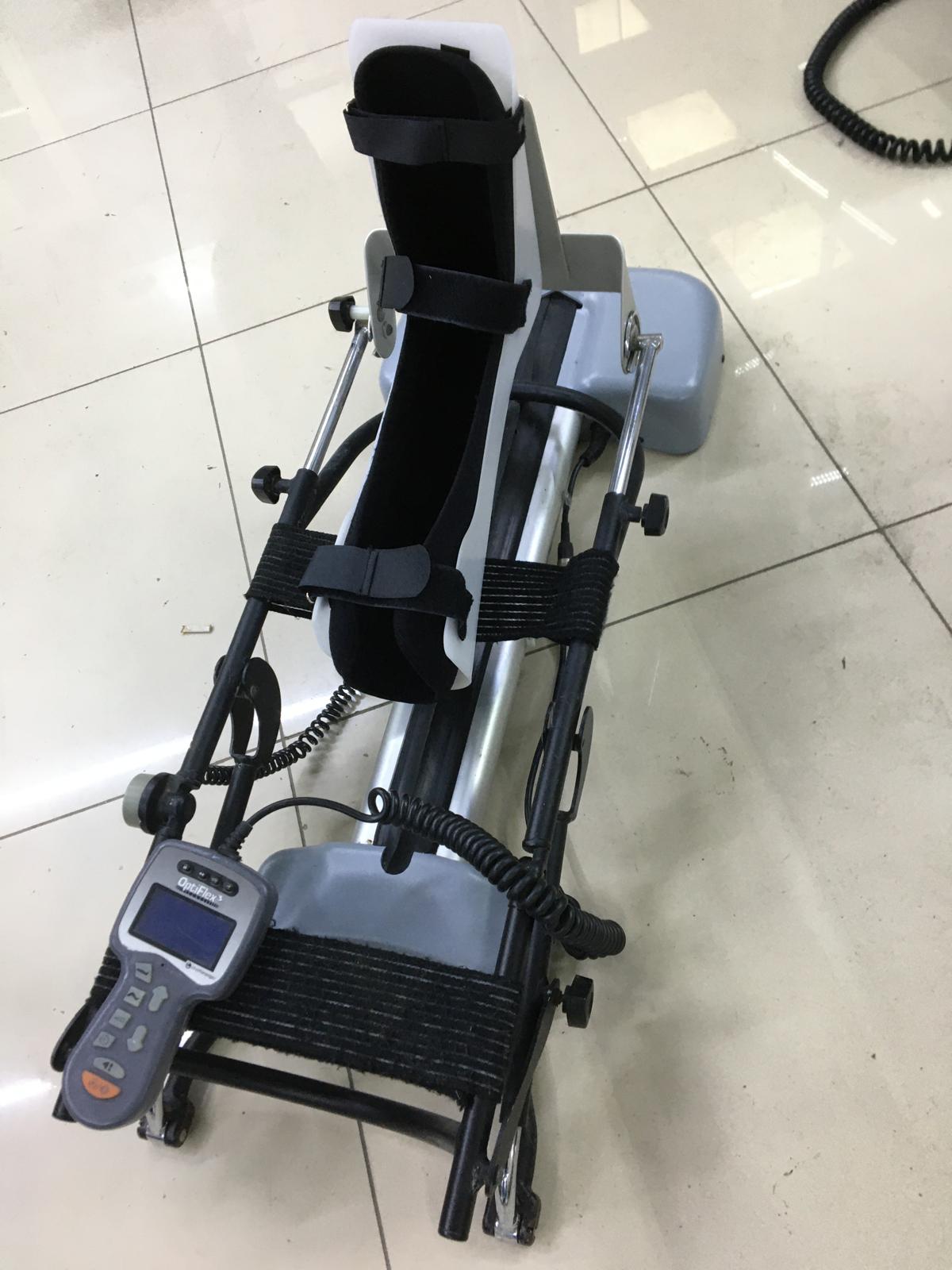
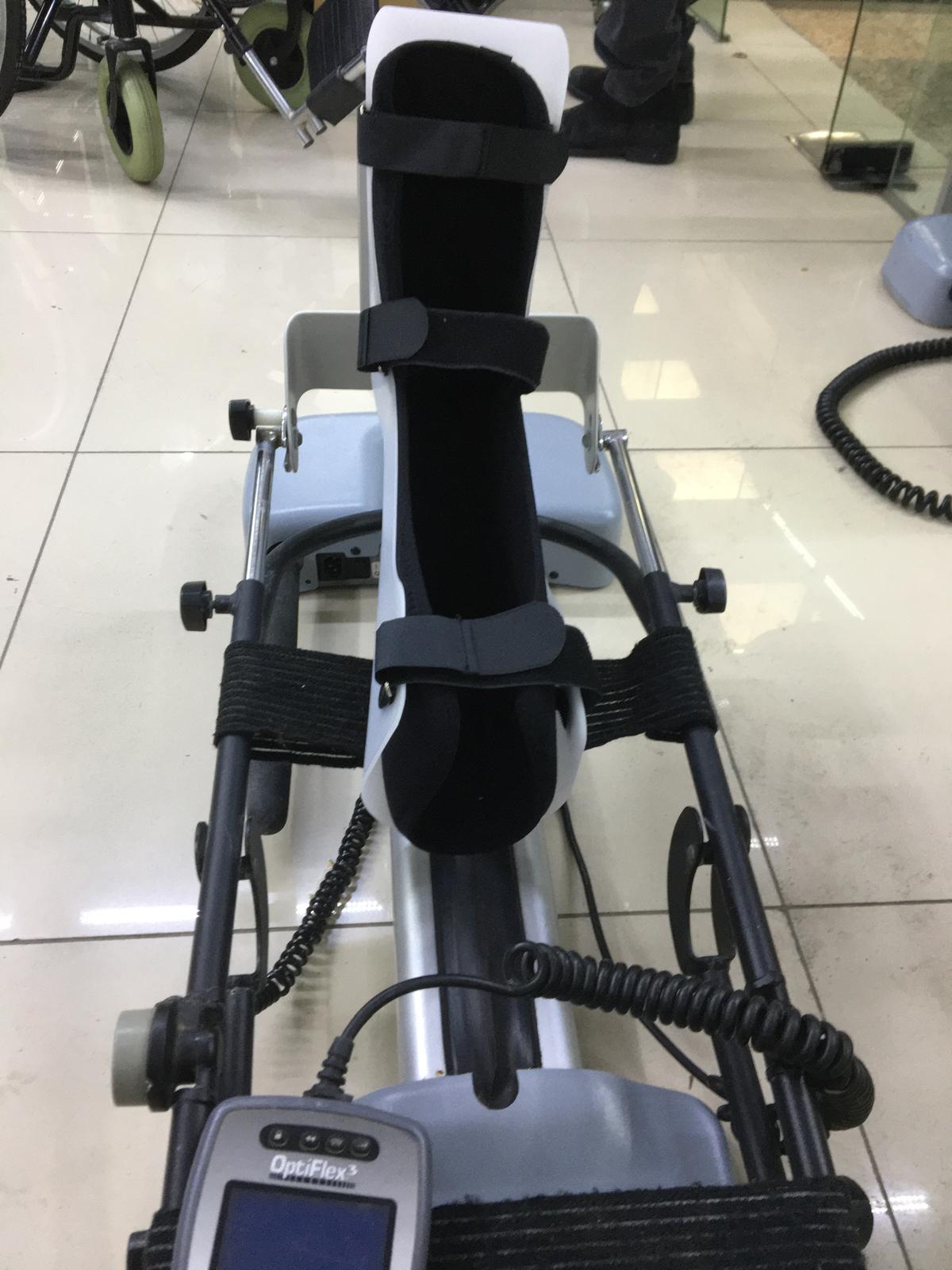
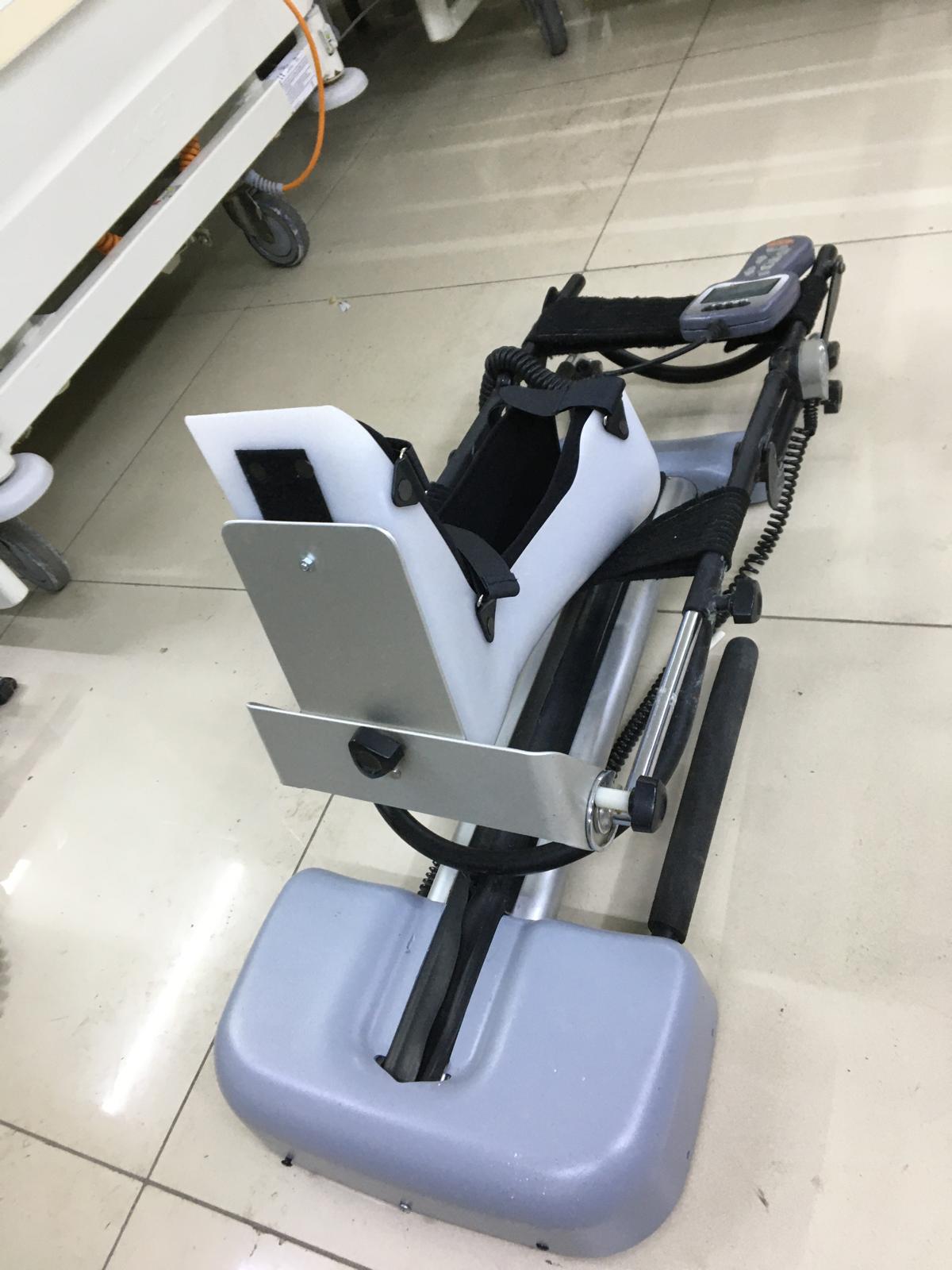
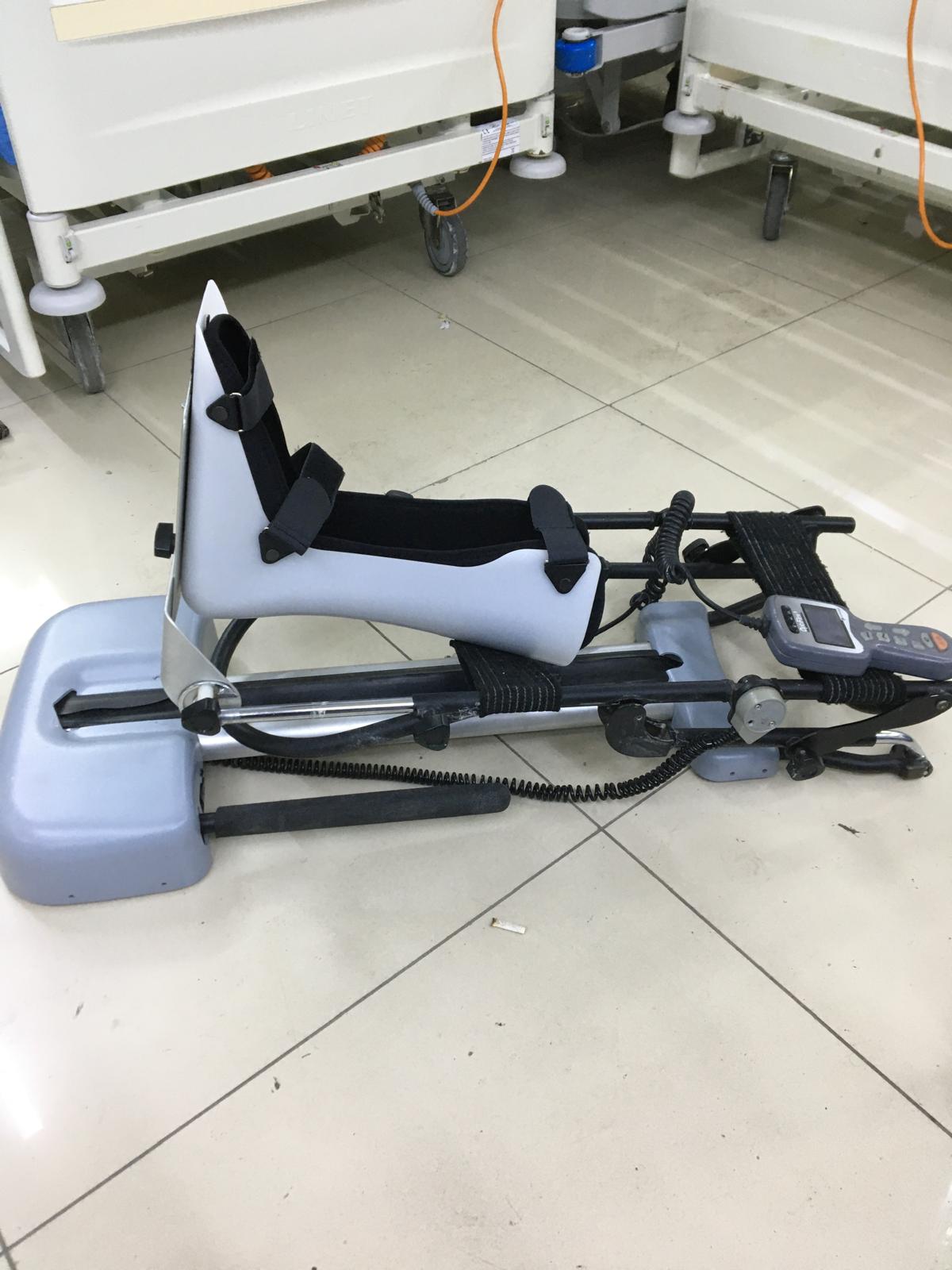
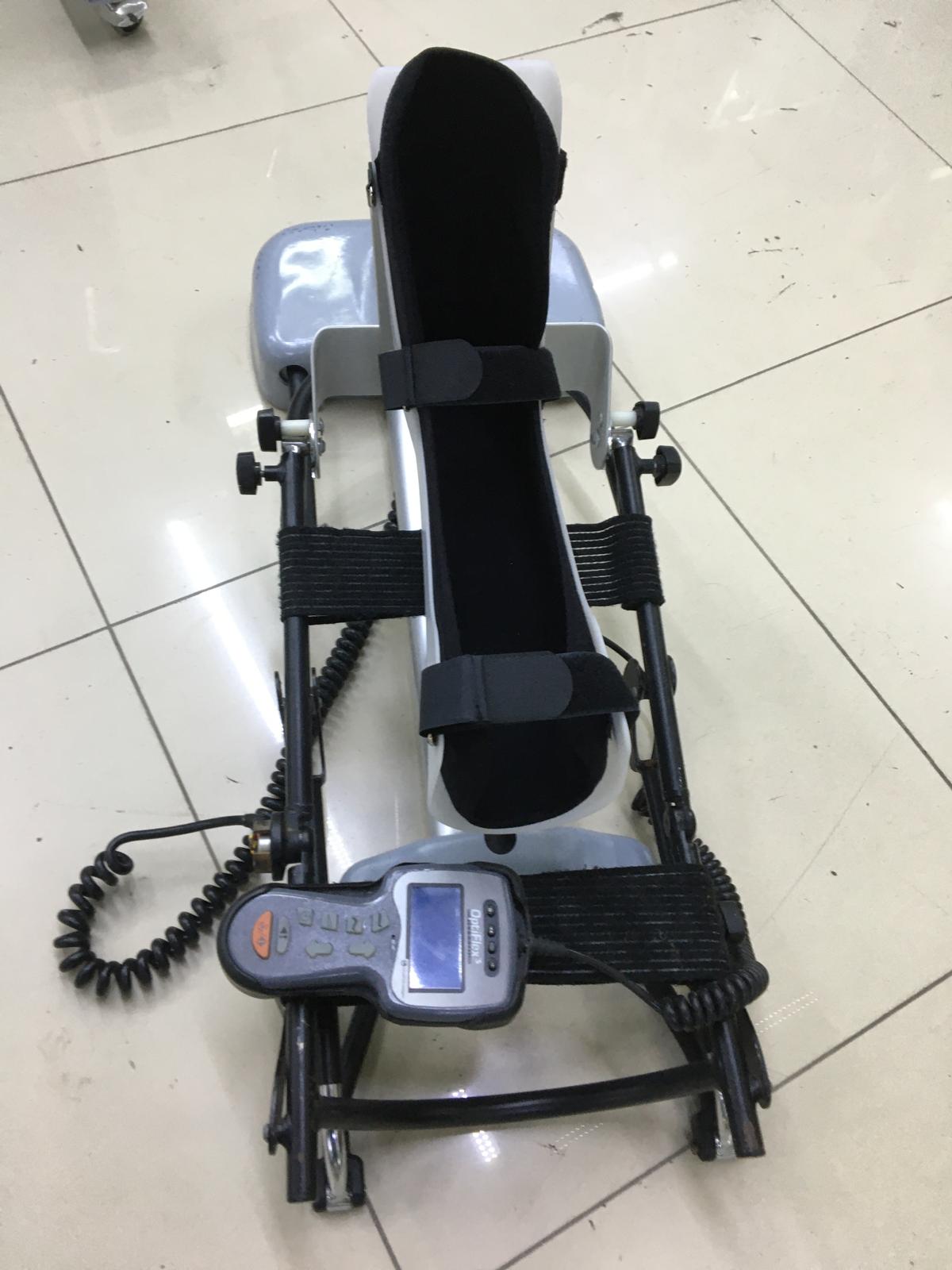
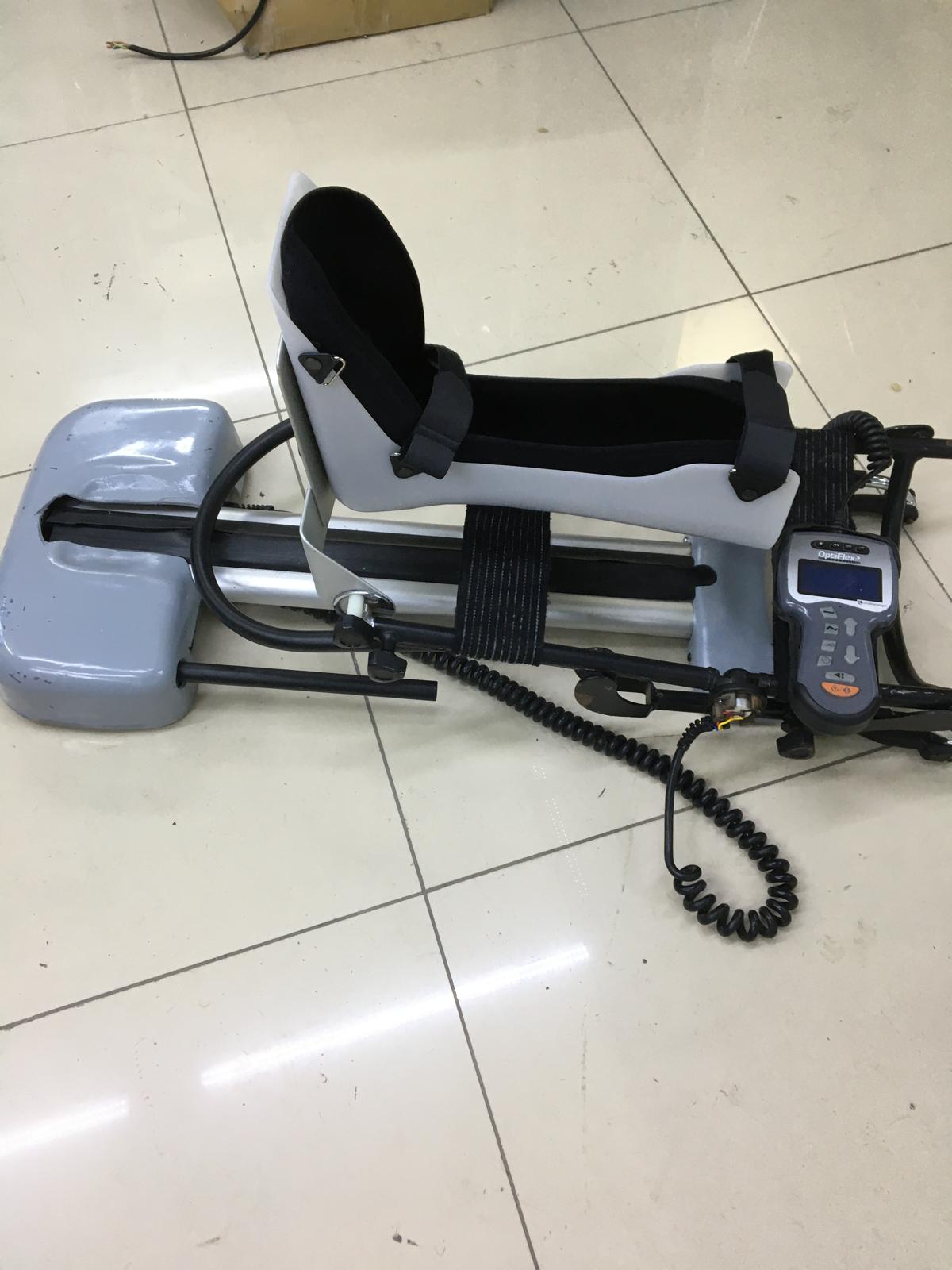
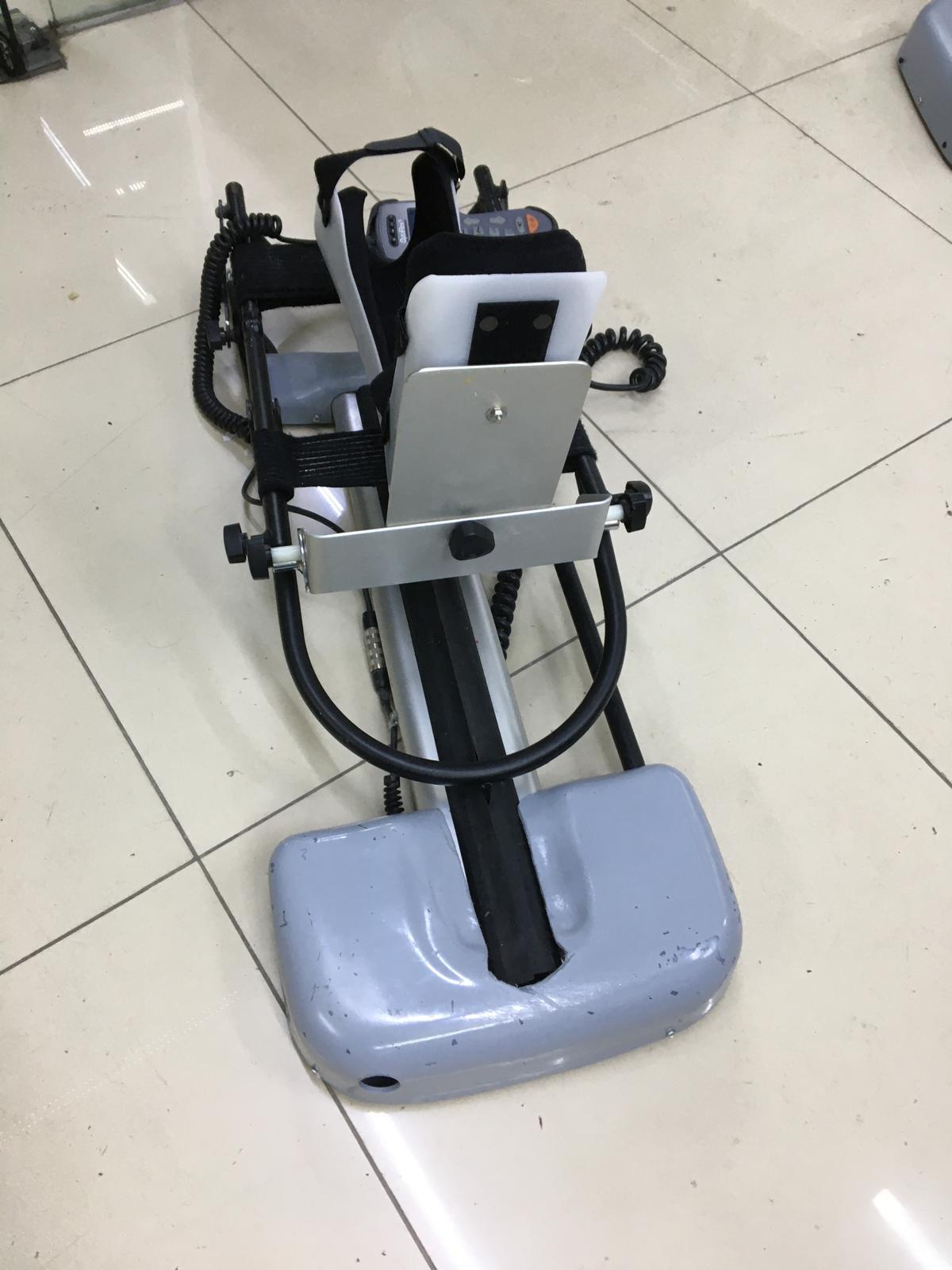
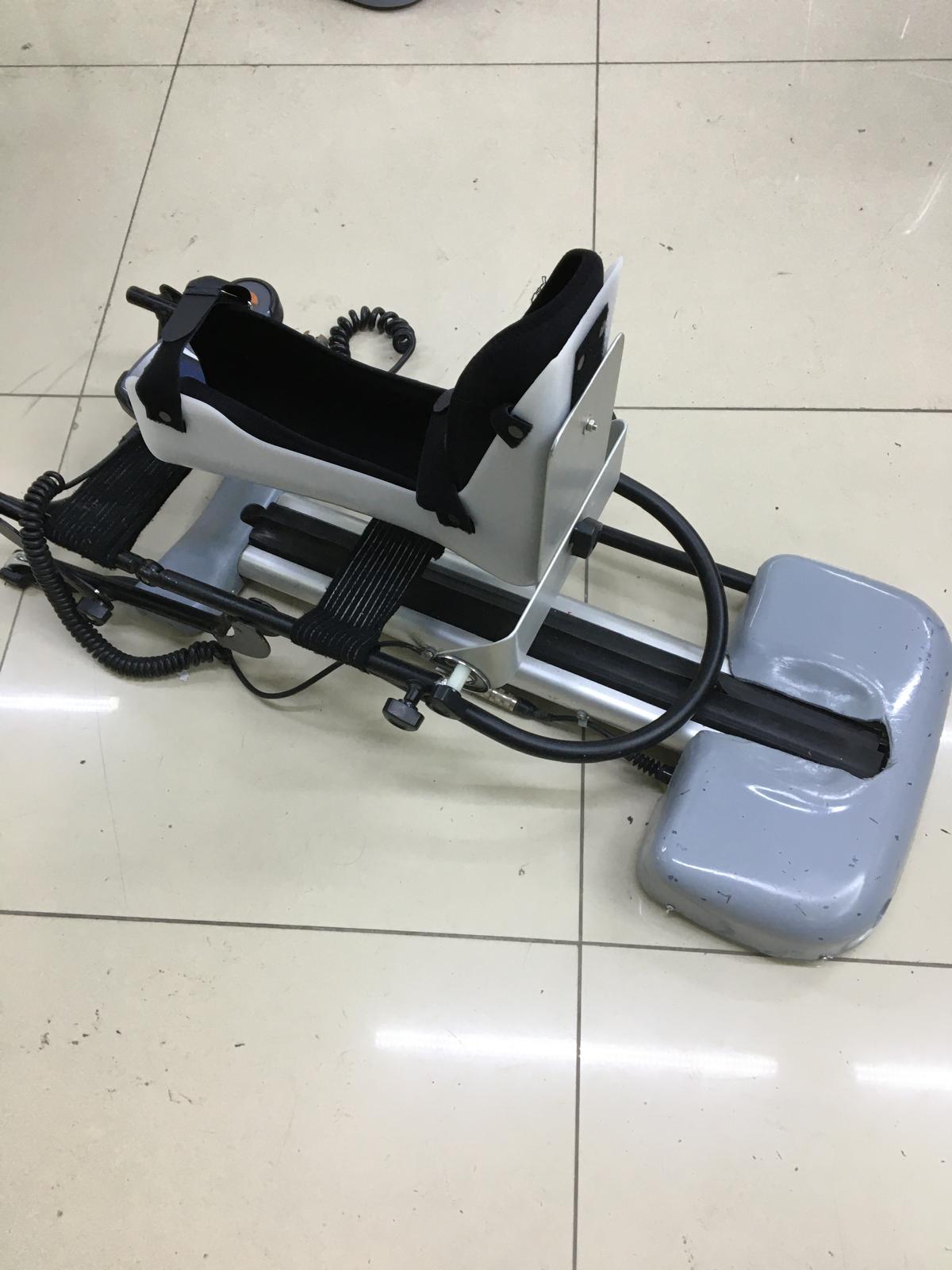
The device examined in the visuals is a CPM (Continuous Passive Motion) device used in the field of medical rehabilitation, which enables passive movement of the knee joint. The device consists of a main motor unit, a sliding bed system where the patient’s leg is placed, and a hand control.
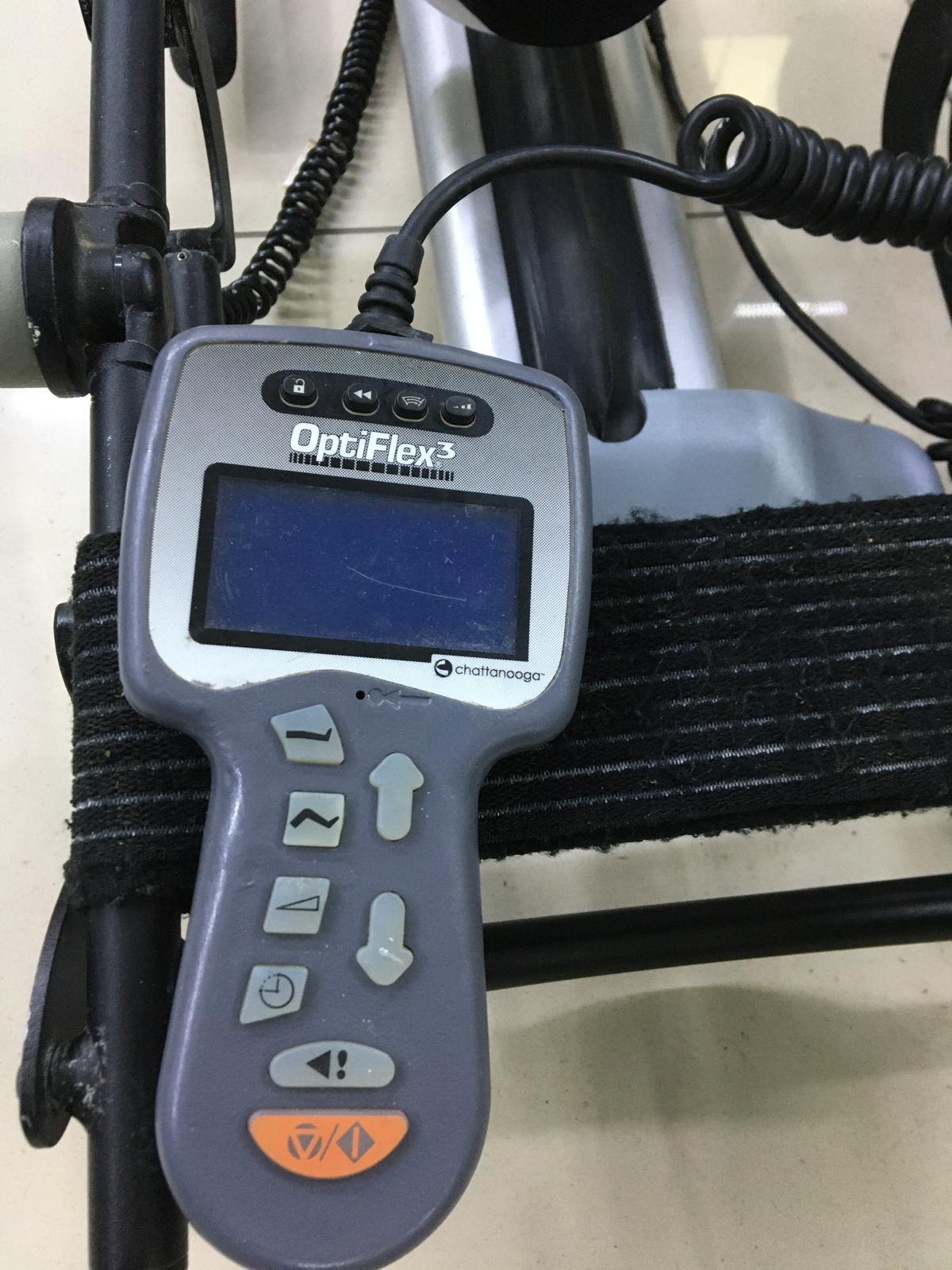
As a result of detailed examinations of the device’s hand control and general design lines, the brand and model information has been definitively identified.
This information has been verified, particularly through the “OptiFlex 3” inscription on the device’s wired hand control and the “chattanooga” logo located directly below the screen.
The product’s hand control design, screen placement, keypad structure, and the device’s metal slide system and motor body are in perfect compliance with the original Chattanooga OptiFlex series. No non-brand parts that were subsequently added or modified on the device have been visually detected.
This device is used in the fields of orthopedics and physical therapy. It is particularly preferred in the following situations:
The visuals show 1 (one) main CPM device unit and 1 (one) hand control connected to this unit.
The device is in used condition. It is evident that it is a second-hand product from the marks on its outer casing and signs of use. However, its structural integrity appears to be preserved.
There are some noticeable deformations in the device’s external cosmetics:
The metal chassis, hinges, and slide system that form the device’s movable mechanism appear intact. The adjustment knobs (screw tightening mechanisms) are in place. Although the belt or shaft system that enables the slide’s movement is inside the housing and cannot be seen in detail, no mechanical integrity issues (broken parts, etc.) have been detected from an external view.
The hand control, which is the electronic control unit of the device, is present in the visuals. Since its screen is in the off position, it is unknown whether there are any pixel errors. The spiral structure of the control cable generally maintains its form, but slight dirt accumulation may also be visible on the cable.
The accessories in the visuals are as follows:
This model operates standardly with mains electricity. There is no appearance or indication of an internal battery on the outer casing. However, the tip of the device’s power plug is not captured in the visuals; only the cable outlets are visible.
Apart from the brand/model label on the hand control, the silver-colored manufacturer label containing technical data (serial number, voltage, etc.), likely located on the back or bottom of the device, is not in a position to be clearly read due to the shooting angle of the photos. Therefore, the specific serial number cannot be reported.
There is an LCD screen on the hand control. Since the device is off in the photos, no data, error codes, or menus are displayed on the screen. While no deep cracks are visible on the physical surface of the screen, it should be considered that there might be slight hairline usage scratches on the surface.
The OptiFlex 3 model is a device designed for adult patients. Thanks to the adjustment knobs on the sides, the device’s leg length (femur and tibia distance) can be manually adjusted according to the patient’s height.
Since the serial number label cannot be read, the exact year of manufacture cannot be determined from the visual.
No invoice, user manual, or warranty document belonging to the device is present in the visuals.
Usage hour information can usually be read from the digital screen or technical service menu when the device is turned on. Since the device is off, there is no visual data regarding the total operating hours.
In the visual inspection, no significant breakage (e.g., rail detachment, hinge breakage) that would prevent the device from operating has been detected. However, its electronic functionality could not be verified due to the screen being off.
The intense scratches on the product’s body (gray motor casing) indicate that the device may have sustained impacts during transport or use. While this may not have damaged the motor components, it has created cosmetic wear on the plastic casing. The connection points and bends of the spiral cables appear robust; however, assuming it is an old device, metal fatigue that may occur over time within the electronic cables should be considered a general risk factor. Its overall condition can be described as “heavily used but with preserved integrity.”
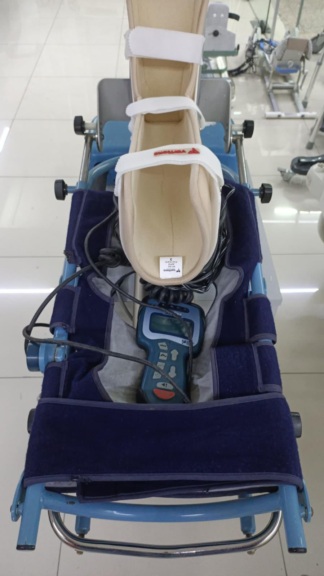
Ready For Sale
bid »
Ready For Sale
bid »
Ready For Sale
bid »
The Secure Payment system protects the rights of both parties by securing the buyer’s money and the seller’s product. No additional fees, full assurance. For additional information, review the "services" page.