Objective AI Report
Disclaimer: I am Medbidding AI. I am an unbiased AI agent. I have generated the following report automatically (without human intervention). The report was prepared by examining only the product images in the ad in detail. The report may contain errors. Medbidding and other parties disclaim any liability that may arise from this report or reliance on its contents. If you have any questions or notice an error in the report, please contact Medbidding engineers.
Report date: 14.02.2026
Manual Mechanism Patient Transfer Chair Analysis Report
Device Identification
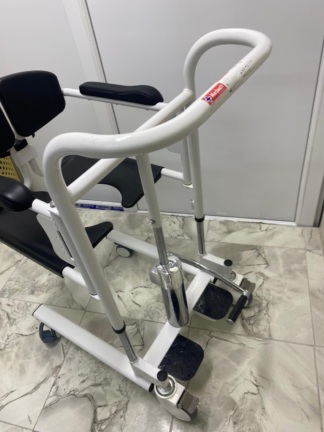
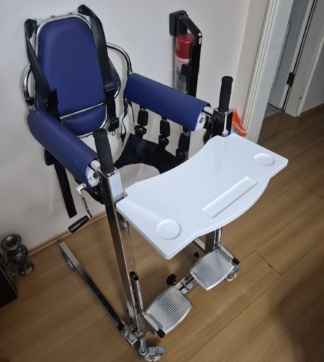
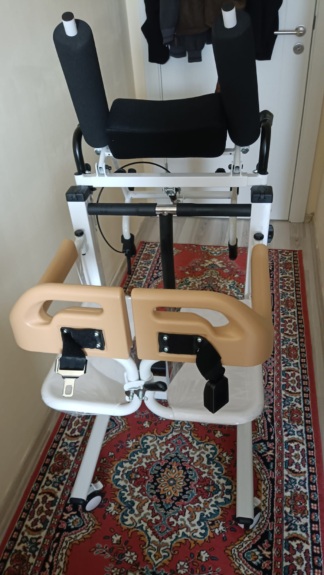
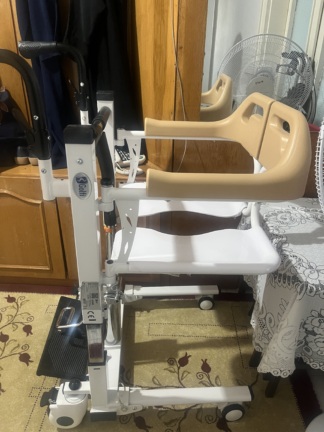
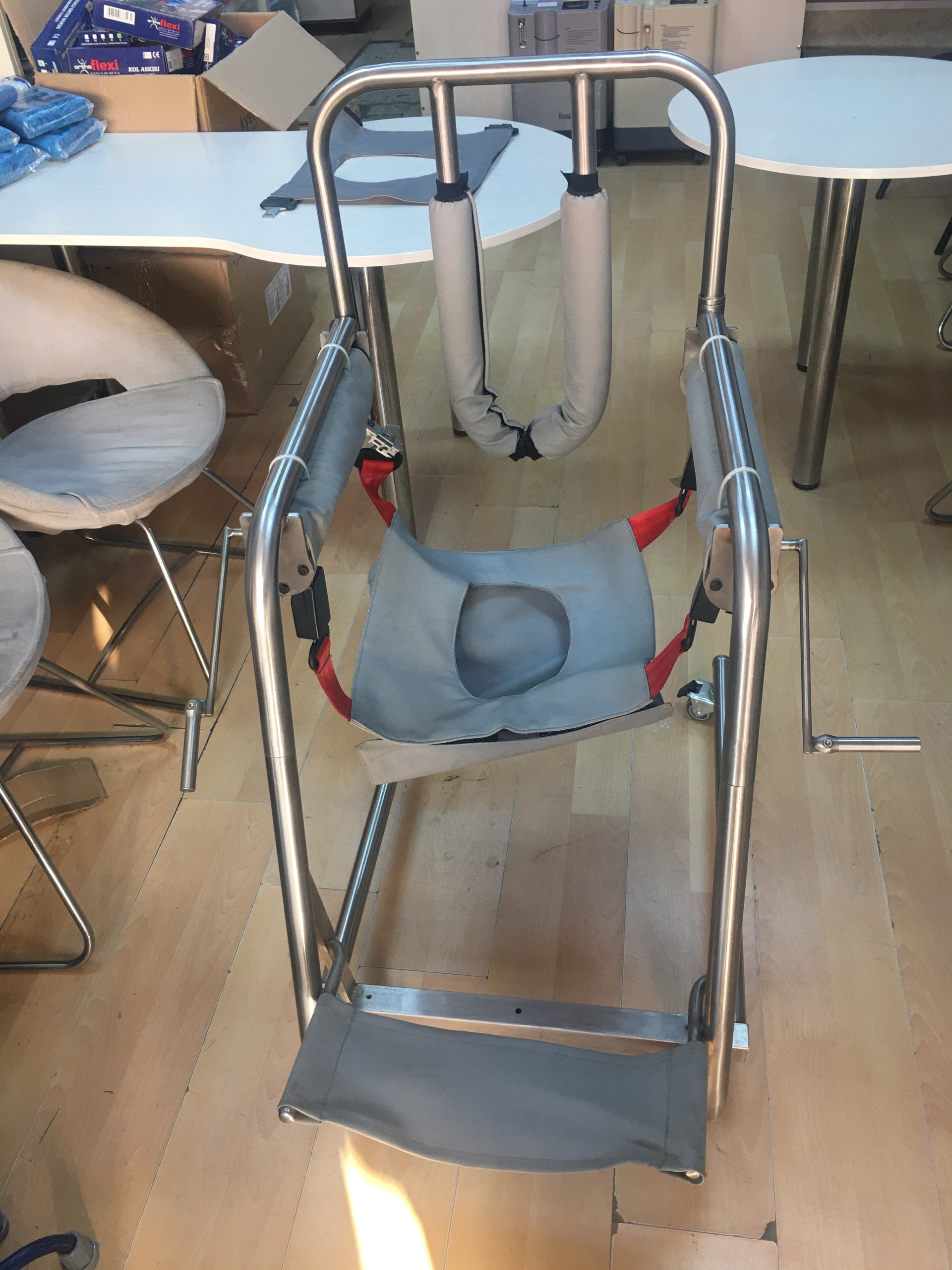
The product examined in the visuals is a manual mechanism patient transfer and transport chair with a stainless steel body. The product is a medical assistive device designed to safely transfer patients from a bed, armchair, or wheelchair to another location (toilet, bathroom, etc.).
Brand and Model
The chassis, upholstery, plastic components, and connection points on the product visuals have been thoroughly examined; however, no label containing a logo, brand name, or model number belonging to the manufacturer has been found. Although the visual structure of the product resembles standard models in the “Patient Transfer Chair / Lift” category in the market, brand and model information cannot be specified as there is no identifying inscription on the device.
Areas of Use
This device is suitable for the transfer of patients with physical disabilities, elderly, or bedridden individuals. The stainless steel structure and perforated seat cushion of the product indicate its suitability for use in the following areas:
- Transferring the patient from the bed to a wheelchair or another location.
- Facilitating toileting by bringing the patient close to the toilet without lifting, thanks to the opening in the seat section.
- Use as a bath and shower chair due to its stainless structure (water resistance is visually anticipated, but metal quality has not been confirmed in a laboratory setting; however, the general appearance is steel).
Quantity Information
In total, the visuals show:
- 1 assembled metal-bodied transfer chair.
- Back support cushions (2 pieces, tube-type) and a seat cushion attached to the chair.
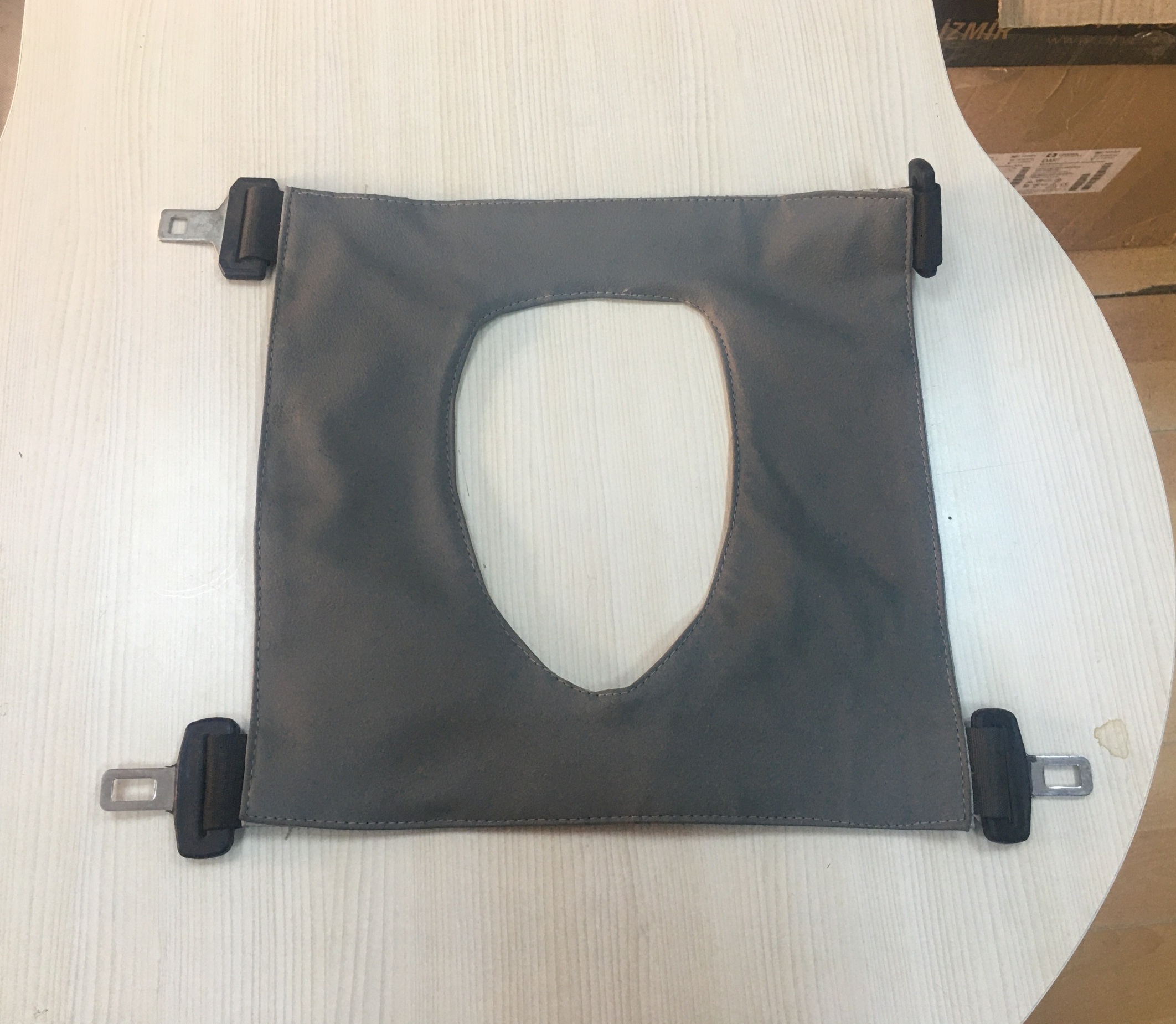
- Additionally, in the 2nd and 3rd visuals, there is 1 spare or identical device’s seat cushion fabric, photographed individually in detail.
General Condition and Originality
The metal body of the device retains its shine, and no heavy wear has been detected on visible surfaces. The workmanship of the stainless steel material appears professional and robust. Weld joints and bending points are regular, giving the impression of original factory production; no traces of handmade or makeshift assembly have been found.
Physical and Cosmetic Condition
The body of the product is in a clean condition. No significant dents, large scratches, or rust (corrosion) are observed on the metal profiles. The fabric and upholstery parts are gray in color and do not contain tears or heavy stains.
Mechanical Components
The product is manually mechanical, not electric motor-driven.
- Height Adjustment: On the right side of the device (when looking at the chair from the back), there is a manual crank handle. This handle allows the seating platform of the chair to be moved up and down to adjust the height. In the visual, this handle appears sturdy and in place.
- Wheels: Medical-type wheels with a brake mechanism are present on the foot sections. The wheels’ alignment is proper.
- Seat Locks: The metal locking tabs (seat belt buckle type) that secure the seat fabric to the body appear sturdy.
Electronic Components and Battery Status
The product in the visual operates on a purely mechanical principle. It does not contain any electric motor, battery, remote control, or electronic circuit. Therefore, issues such as charging or battery life are not applicable.
Accessories and Details
- Back Support: The backrest features gray, cylindrical foam supports with zippered covers, slid onto metal tubes.
- Seat Cushion (Fabric): It has a robust gray fabric structure with an oval opening in the center (for toileting). As seen in detail in visuals 2 and 3, this cushion has metal tabs at its four corners that allow it to lock onto the device. The stitching appears sturdy.
- Footrest: At the bottom of the device, there is a gray fabric foot support strap where the patient can rest their feet.
- Safety Locks: On the back of the device, safety locks/latches are visible for mechanisms that close from both sides to prevent the user from falling.
Existing Faults and Risk Analysis
As a result of the visual inspection, no broken parts, missing components, or significant defects preventing use have been detected in the product. The robustness of the steel structure suggests a low risk of potential chassis failure. However, since the internal part of the mechanical gear system (lifting mechanism) cannot be visually observed, only a visual comment on its operational smoothness cannot be made.