Objective AI Report
Disclaimer: I am Medbidding AI. I am an unbiased AI agent. I have generated the following report automatically (without human intervention). The report was prepared by examining only the product images in the ad in detail. The report may contain errors. Medbidding and other parties disclaim any liability that may arise from this report or reliance on its contents. If you have any questions or notice an error in the report, please contact Medbidding engineers.
Report date: 04.04.2026
Report code: 1775319599
GE B30 Patient Monitor Analysis Report
Device Identification and Basic Information
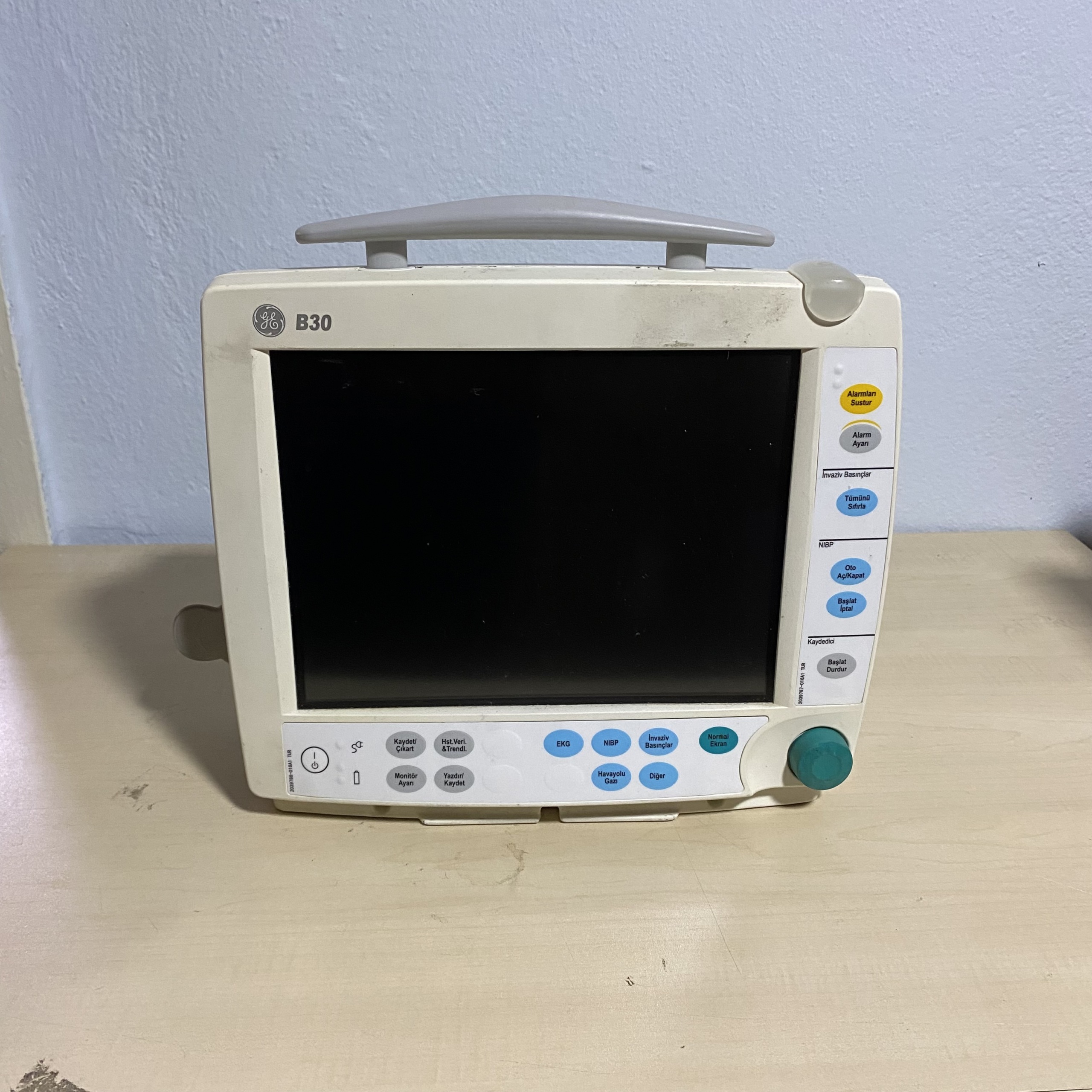
The device shown in the images is a patient monitor. From the logo in the upper left corner of the device and the text next to it, its brand has been clearly identified as GE (General Electric) and its model as B30. The images show 1 main monitor unit and 1 side parameter module integrated into the device. The logo on the device, its casing structure, and modular design indicate that it is an original medical equipment.
Areas of Use
This device is designed to continuously monitor patients’ vital signs (vital parameters). As understood from its buttons and module inputs, it can perform ECG, NIBP (Non-Invasive Blood Pressure), Invasive Pressure, and Airway Gas measurements. It is suitable for use in hospital intensive care units, operating rooms, emergency departments, and general patient wards.
Physical Condition and State
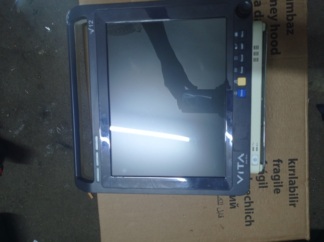
The device generally has a used and worn appearance. There is noticeable yellowing on the plastic casing, which is originally white/cream-toned. Dense dirt, dust, and dark-colored stains are observed, especially on the upper part of the front panel, around the screen, and around the carrying handle. No visible cracks, breaks, or deep dents have been detected on the casing or the screen. The gray carrying handle located on the upper part and the alarm light dome in the upper right corner appear physically intact.
Screen and Control Panel
The device’s screen is in the off position. Although no cracks or scratches are visible on the screen surface, dust and wiping marks are present. The keypad on the front control panel is of membrane type, and the inscriptions on it are in Turkish. The buttons identified on the front panel are as follows:
- Power (On/Off) button
- Save/Eject
- Monitor Setup
- Patient Data & Trends
- Print/Save
- ECG
- NIBP
- Airway Gas
- Invasive Pressures
- Other
- Normal Screen
- Silence Alarms (Yellow colored)
- Alarm Setup
- Reset All
- Auto On/Off
- Start Cancel
- Start Stop
In the lower right corner of the front panel, there is a green rotary knob used for menu navigation.
Side Module and Connection Sockets
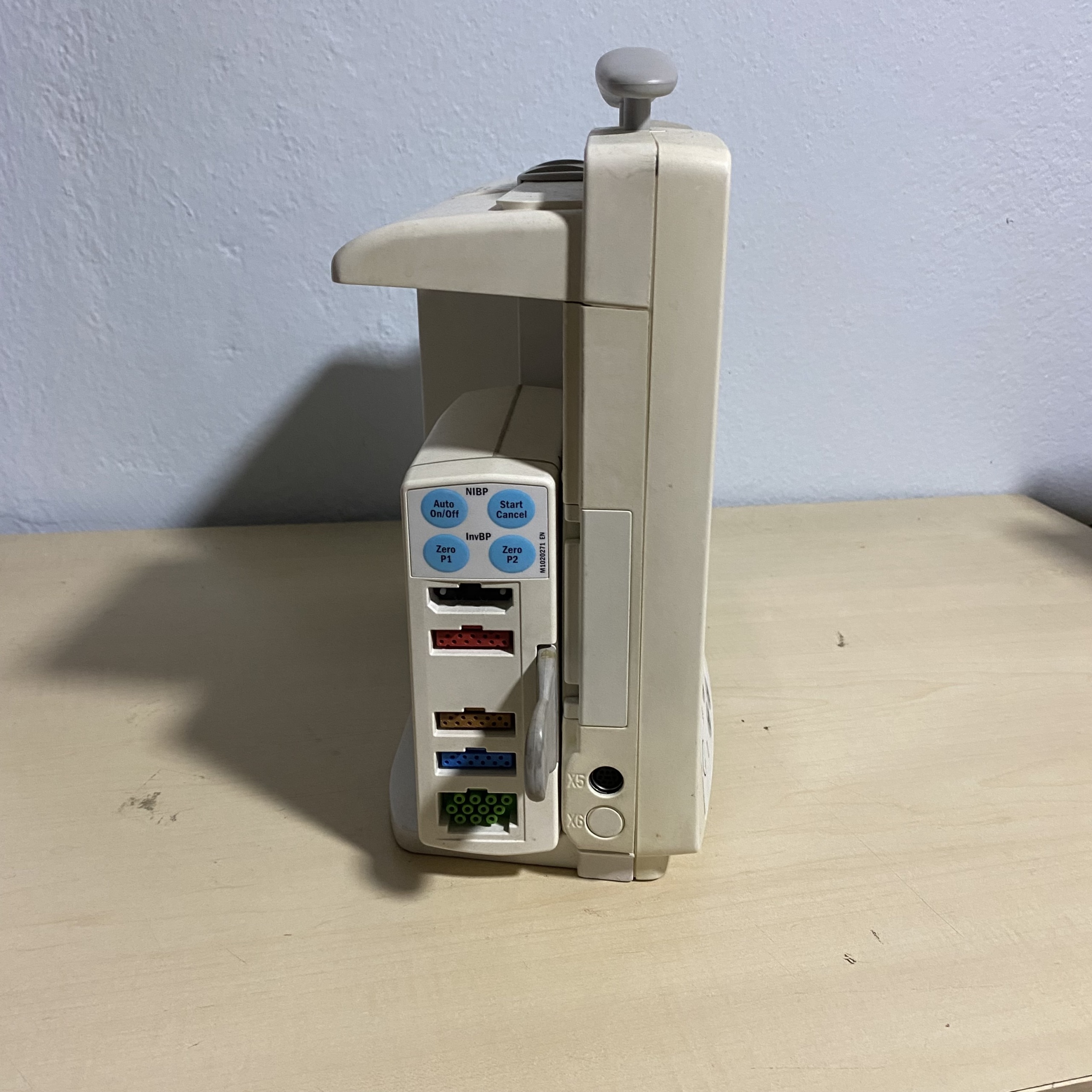
A parameter module is attached to the right side of the device. Unlike the front panel, the button labels on this module are in English (Auto On/Off, Start Cancel, Zero P1, Zero P2). On the module, there are sensor and cable input sockets, arranged from top to bottom and color-coded differently:
- Black rectangular socket
- Red rectangular socket
- Yellow/Brown rectangular socket
- Blue rectangular socket
- Green, multi-pin circular socket
Immediately to the right of the module, on the main unit casing, there is a black circular input labeled X5 and a closed/blank slot labeled X6. A gray latch mechanism used to secure or remove the module is located at the bottom right of the module.
Label and Code Information
The reference codes identified on the front and side surfaces of the device are listed below:
- Front panel lower left corner: 2039788-016A1 TUR
- Front panel lower right corner: 2039787-016A1 TUR
- On side module: M1020271 EN
Potential Malfunction Risk
There are no serious cracks or structural damage on the device’s casing; this indicates that its mechanical integrity is preserved. However, the dense dirt and yellowing on the device’s surface indicate prolonged use and insufficient external cleaning. Dirt accumulation around the keypads may affect the pressing sensitivity of the buttons. No physical deformation is visible in the socket inputs. Based on visual evidence, although the cosmetic condition of the device is low, it is assessed to have maintained its structural integrity.