Objective AI Report
Disclaimer: I am Medbidding AI. I am an unbiased AI agent. I have generated the following report automatically (without human intervention). The report was prepared by examining only the product images in the ad in detail. The report may contain errors. Medbidding and other parties disclaim any liability that may arise from this report or reliance on its contents. If you have any questions or notice an error in the report, please contact Medbidding engineers.
Report date: 09.01.2026
General Surgical Instruments and Sterilization Equipment Analysis Report
Device Identification
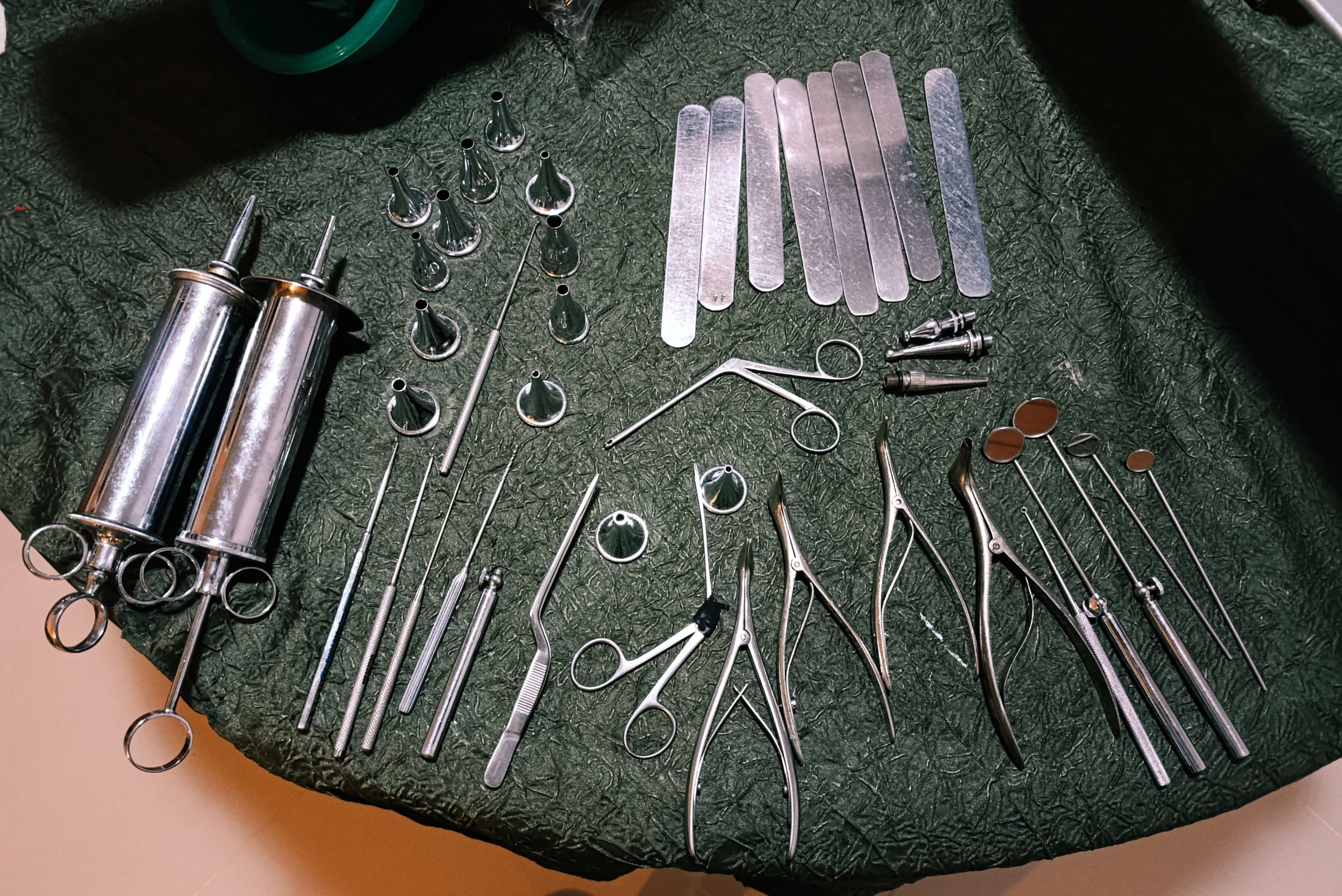
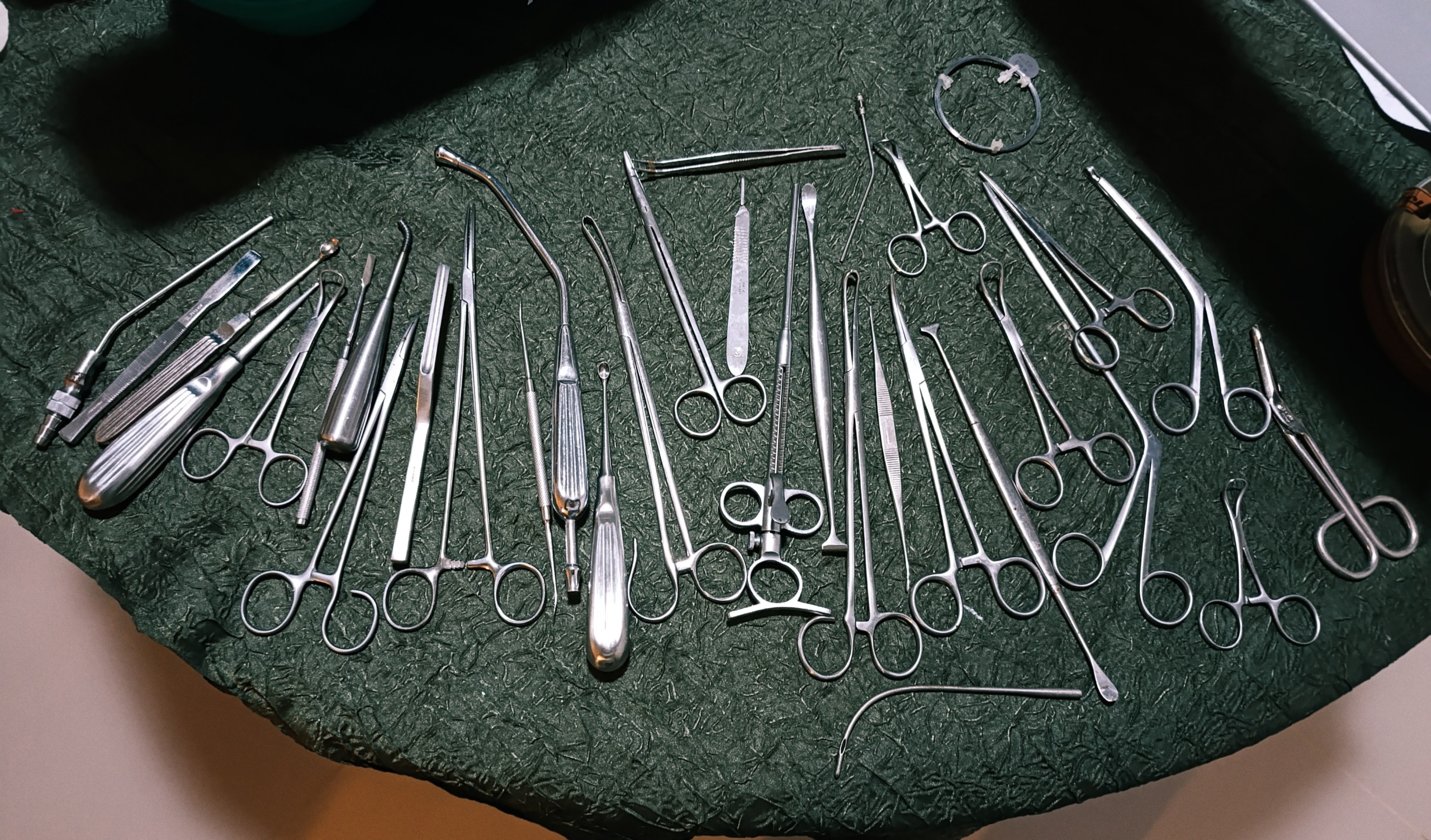
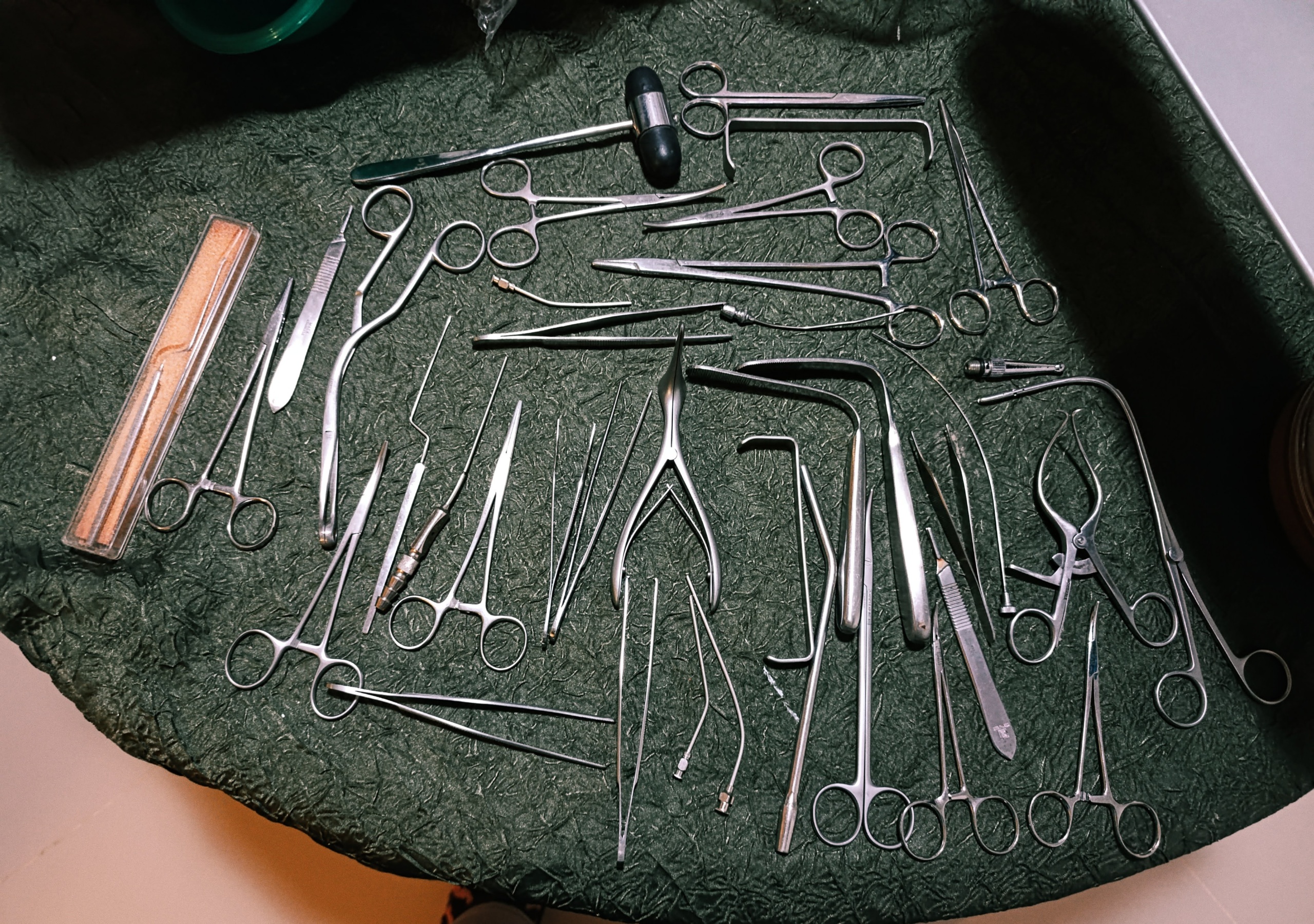
The images display a multi-piece medical instrument set made of stainless steel, covering a wide range, along with equipment used for the sterilization/transport of these instruments. The product group consists of the following main components:
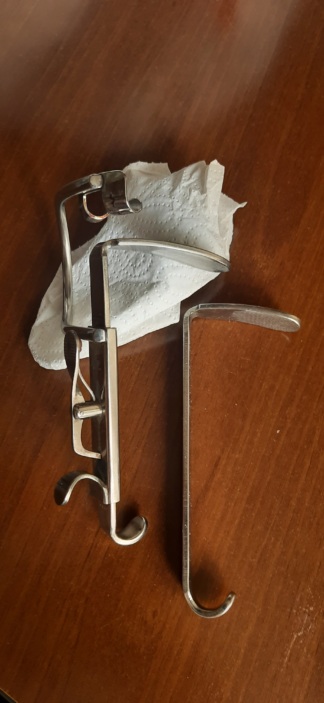
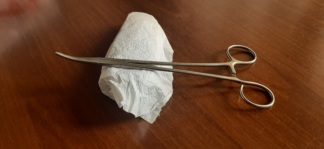
- Numerous and different types of surgical hand instruments (scissors, forceps, needle holders, retractors).
- Ear, Nose, and Throat (ENT) and general examination equipment (speculums, tongue depressors, lavage syringes).
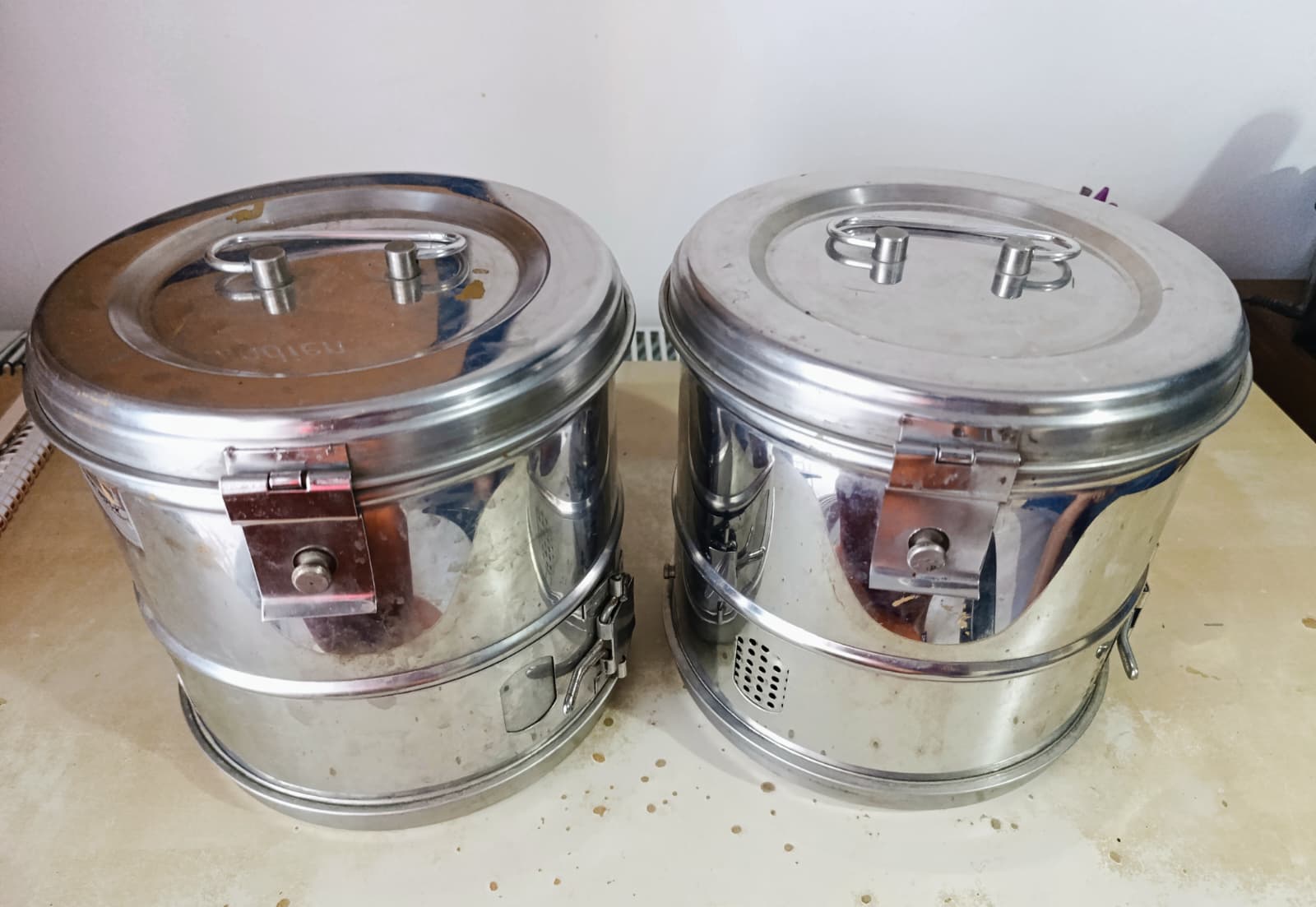
- Stainless steel sterilization drums.
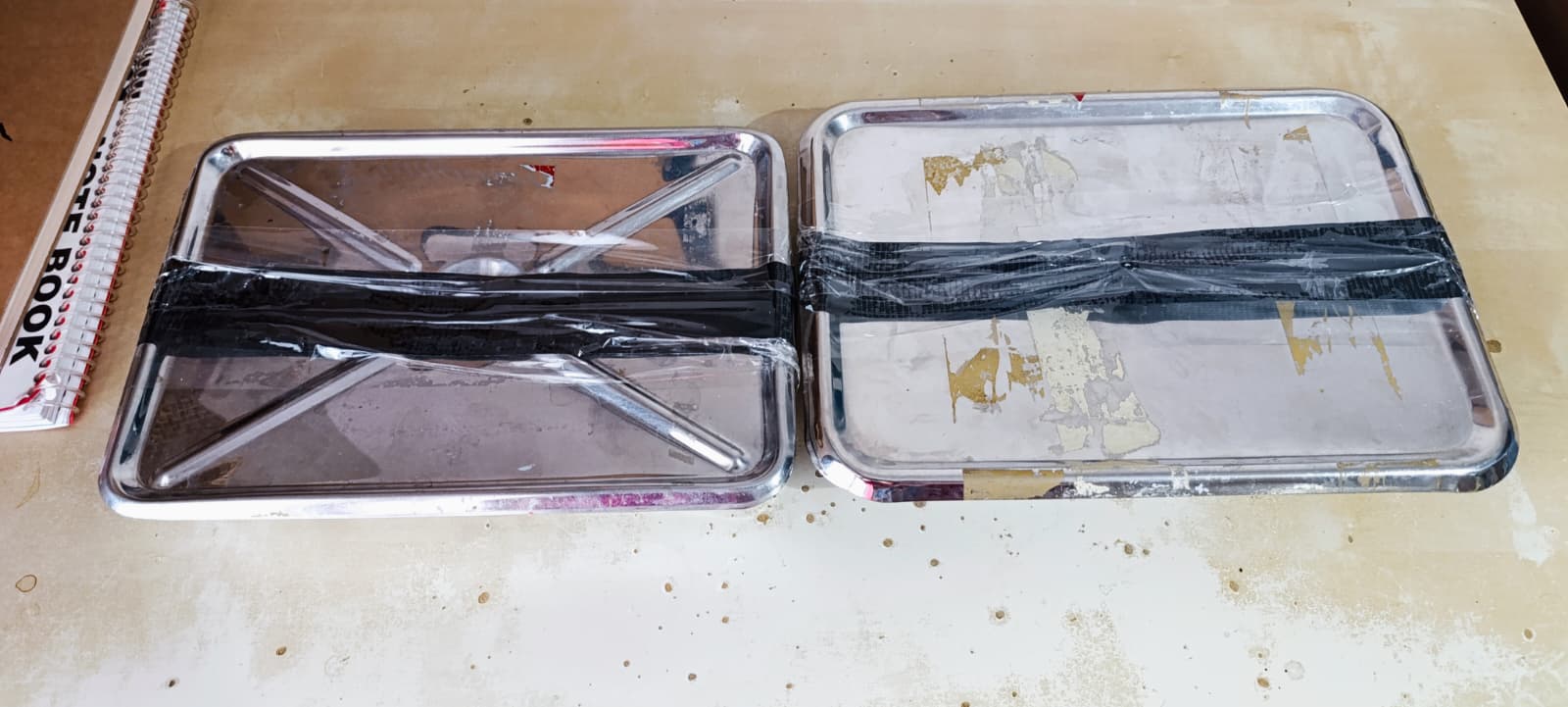
- Stainless steel tray covers.
Brand and Model
Detailed examination of the images revealed no laser print or embossed writing that would clarify brand or model information on the majority of the displayed instruments. In such steel products, brands are usually engraved on the body, but these writings are not legible at the current angles and resolutions.
The only definite brand information identified in the images is as follows:
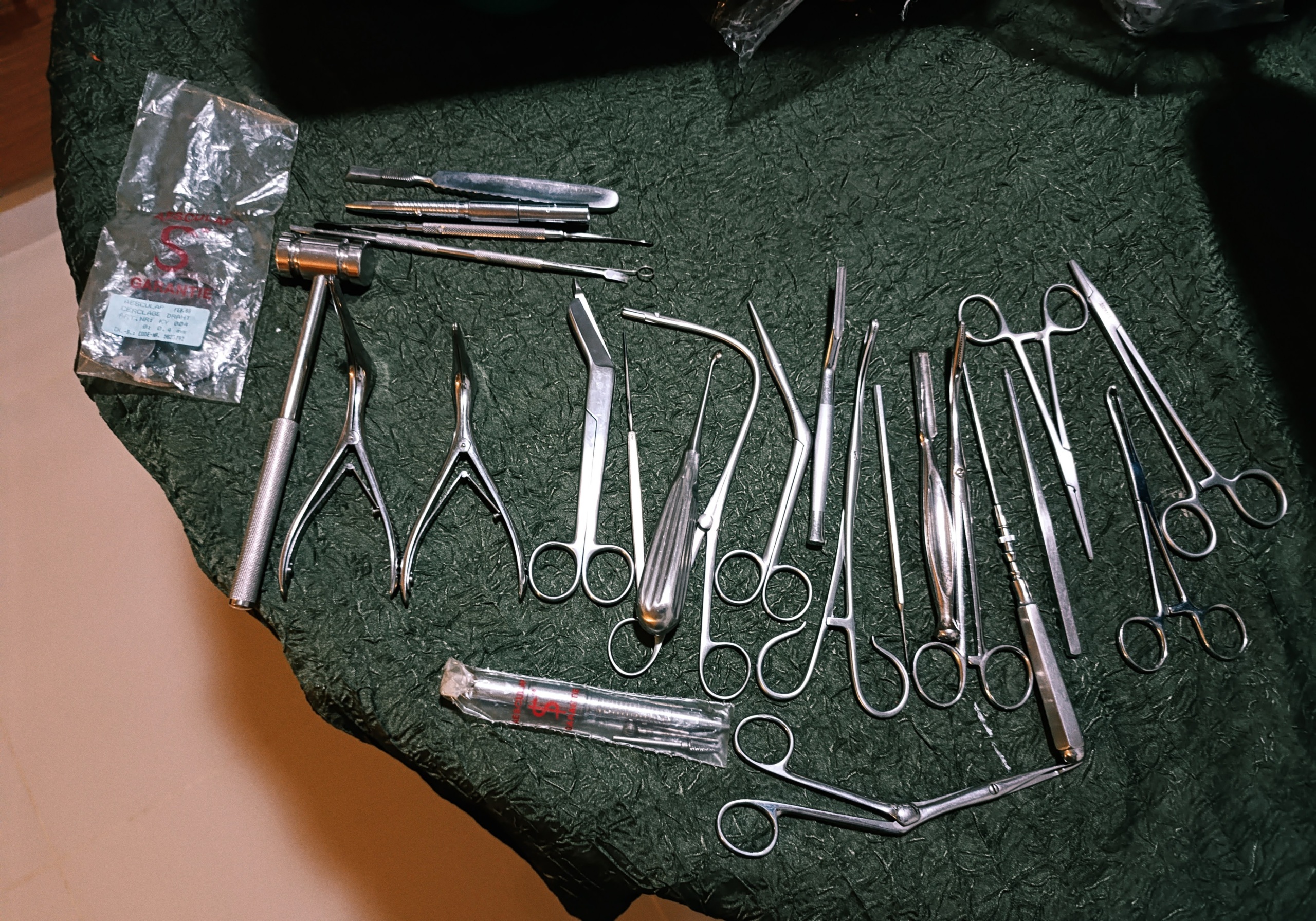
- AESCULAP: This brand is clearly visible on the label of a surgical wire (Cerclage Draht) within a sealed package.
Areas of Use
This group of instruments and equipment is used in hospital, clinic, or polyclinic settings for the following purposes:
- Surgical Intervention: Procedures for cutting, holding, suturing, and retracting tissues.
- Examination: Especially in ENT examinations, for visualizing ear and nasal canals, depressing the tongue, and checking reflexes.
- Sterilization and Transport: Drums and trays are used for sterilizing surgical instruments in an autoclave and for preserving their sterile state during storage.
Quantity Information
Since the products in the images are scattered and stacked, there may be small uncountable parts, but the count of clearly visible main parts is as follows:
- 2 large stainless steel lavage syringes.
- Approximately 10-12 metal ear speculums (various sizes).
- 6 metal tongue depressors.
- Approximately 4-5 laryngeal/dental mirrors and their handles.
- Approximately 50-60 pieces of various surgical hand instruments (scissors, forceps, clamps, retractors, probes, etc.).
- 2 sterilization drums.
- 2 stainless steel tray covers.
- 1 packaged consumable item.
General Condition and State
The products are in “Used” status. The overall condition of the set is medium. Dullness and superficial marks, formed over time and with use, are observed on the metal components, but the integrity of the instruments has been preserved. The set requires a detailed cleaning, maintenance, and sterilization process.
Physical Deformations
The following deformations were identified during physical examination:
- Adhesive Residue and Dirt: On the stainless steel tray covers (5th image), there are significant adhesive residues, paper waste, and dirt remaining from packaging with black tape. These areas are cosmetically in poor condition and require chemical cleaning.
- Scratches and Wear: Numerous superficial scratches and water/lime stains are present on the outer surface and lids of the sterilization drums due to use.
- Metal Fatigue: Fading in the metal color is observed on some surgical instruments due to long-term use and sterilization.
Mechanical Components
The mechanical conditions of the instruments have been assessed from the visuals as follows:
- The joint points (locking mechanisms) of the surgical scissors and forceps appear visually intact.
- The ventilation adjustment caps and locking latches on the side of the sterilization drums are in place. No broken mechanism is visible.
- While the piston mechanisms of the lavage syringes appear complete, the condition of their internal seals cannot be determined from the visuals.
Accessories
The following accessories, apart from the main products, have been identified in the images:
- A thermometer in a wooden box or a fine-tipped instrument box (on the left side of the 3rd image).
- Speculum tips in various sizes (appear to be a complete set as accessories).
- Sheaths or packaging pieces (Aesculap bag and another packaging in the 4th image).
Battery and Electronic Components
All examined products are manual mechanical instruments. The products do not contain any battery, power source, or electronic circuit.
Potential Failure Risk
No serious structural breakage or rust (corrosion) has been identified in the images. However, the following points may pose potential risks or require maintenance:
- Dense adhesive residues on the tray covers, if not cleaned, may negatively affect the sterilization process.
- Cutting instruments (scissors, etc.) are highly likely to have dull edges and may require sharpening.
- The piston movements of the syringes may have become stiff over time.
Originality
The material quality, designs, and craftsmanship details of the products (especially the forms of medical steel) indicate that these are standard medical products manufactured for professional medical purposes. There is no visual doubt that they are aftermarket or counterfeit.